According to Union Health Ministry India has reported a spike of 55,342 cases & 706 deaths in the last 24 hours. Total case tally stands at 71,75,881 including 8,38,729 active cases, 62,27,296 cured/discharged/migrated cases & 1,09,856 deaths.



According to Union Health Ministry India has reported a spike of 55,342 cases & 706 deaths in the last 24 hours. Total case tally stands at 71,75,881 including 8,38,729 active cases, 62,27,296 cured/discharged/migrated cases & 1,09,856 deaths.

The expert panel of CDSCO has asked Bharat Biotech drug maker to submit appropriate data of phase -2 on going trial which is based on safety and immunogenicity of Covaxin. After submitting these data only Bharat Biotech can start phase-3 drug trials.
According to the Subject Expert Committee (SEC) meeting “Firm presented Phase III clinical trial protocol along with interim data of Phase I & II clinical trial. The committee noted the interim data of Phase I & II clinical trial. After detailed deliberation the committee opined that the design of the Phase III study is in principle satisfactory except for clarification on definition of asymptomatic, etc. However, the study should be initiated with appropriate dose identified from the Phase II safety & immunogenicity data. Accordingly, the firm should submit safety & immunogenicity data from Phase II trial for consideration.”

After Hindu Rao hospital doctors’ strike on delay in salaries’ due to non-payment of salaries from 3 months now, Resident Doctors Association and healthcare workers of Rajan Babu Institute of Pulmonary Medicine and tuberculosis has also started protest for two days. They have written Letter to the director and LG regarding delay in salaries.
According to the Letter written by Resident Doctors Association, “RDA, RBIPMT stands in solidarity with the protesting with the protesting COVID warriors/residents of NDMC Medical College and HRH Hospital North DMC.”
By Dr.Narendra Saini
SARS-CoV-2,Covid 19,Update
Cases : 37,755,013 deaths :1,081,508
US Cases 7,991,998 death 219695
India : Cases 7,120,538
death :109184
Brazil : cases 5,094,979 deaths : 150506 (worldometer)
Survival of Covid virus in environment? Confusion prevails
The findings from Australia’s national science agency suggest SARS virus can survive on surfaces such as banknotes, phone screens and stainless steel for 28 days when kept at 20C (68F), which is about room temperature, and in the dark.In comparison, the flu virus can survive in the same circumstances for 17 days.The study, published in Virology Journal, also found SARS-Cov-2 survived for less time at hotter temperatures than cooler temperatures; it stopped being infectious within 24 hours at 40C on some surfaces.Previous laboratory tests have found that SARS-Cov-2 can survive for two to three days on bank notes and glass, and up to six days on plastic and stainless steel.According to some experts, viruses are spread on surfaces from mucus in coughs and fresh mucus is a hostile environment for viruses as it contains lots of white cells that produce enzymes to destroy viruses and can also contain antibodies and other chemicals to neutralise viruses so can not survive that long.
face coverings (nose &mouth) should be part of new normal.
Smoking in any form at this time should be banned in public places as it may increase the spread of virus
Teamwork and feeling of openness is important for winning this Corona war
Dr Narendra Saini
Chairman Scientific
committee DMC
Chairman AMR committee IMA Hq
Past Sec Gen IMA
Director SAINI DIAGNOSTICS ICMR approved lab for RTPCR testing

Doctors in Gujarat has started music therapy for the mental ease of COVID-19 patients. According to the experts “The patients in hospital listen to the music as it helps to relieve stress and give good results during treatment.” Sir Sayajirao Gaekwad Hospital in Vadodra of Gujrat has introduced music therapy for COVID-10 patients.
“To boost the morale of COVID-19 patients, we’re not just giving them music therapy but also laughing therapy. We’re also organising Yoga session. These therapies are showing good results.” Dr. Belim Obi, an officer at COVID-19 ward, Sir Sayajirao Gaekwad Hospital, Vadodara
According to Union Ministry of Heath and Welfare latest data has revealed recoveries in India has crossed 60-lakh mark. The five top States with maximum caseload (61% active cases) are also contributing more than half (54.3%) of the total recoveries.

According to Delhi Pollution Control Committee (DPCC) Data- Air Quality Index (AQI) stands poor at various parts of Delhi.
ITO – 264
PATPARGANJ- 228
RK PURAM – 235
ROHINI- 246
Above all places in Delhi comes under poor quality. According to the Director AIIMS, Dr Randeep Guleria who is a Pulmonologist also in an Exclusive Interview to Medically Speaking has warned to get a rise in Covid-19 case if air pollution increases.”The chance of the spread of corona is more when pollution goes up because pollutant particles may also carry the deadly virus and allow it to stay for a longer duration of time.” says Dr Randeep Guleria, Director, AIIMS
“Pollution may lead to heart and respiratory problems.So, we have be very careful this time in terms of not allowing high levels of air pollution.” He adds
By Dr Shamsher Dwivedee
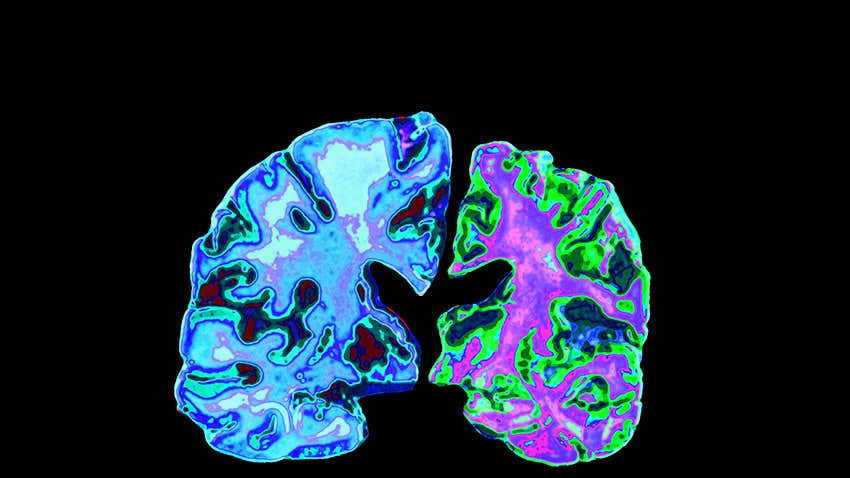
Alzheimer’s disease is a neurological disorder which causes problems with memory, thinking skills, and behaviour. Memory loss is one of the earliest symptoms, along with a gradual decline of other intellectual and cognitive functions leading to change of behavior. Misconceptions about the disease often stand in the way of understanding it and helping those affected.
Mentioned below are some common myths that exists about the disease.
Myth 1: Memory loss means Alzheimer’s
Fact: Occasional memory problems, such as forgetting where you kept your car keys or unable to recall the name someone you’ve recently met is normal. Forgetfulness can happen due to several reasons such as sleep deprivation, fatigue, inadequate hydration or attempt at too much multi-tasking. At such times, the brain in unable to process too much of data at the same time and may lead to forgetting things. Vitamin B12 deficiency, thyroid disorder and uncontrolled diabetes can also cause short term memory loss. Sometimes patients with severe depression also complain of memory loss which is not real.
Although some degree of memory loss is expected with aging, it doesn’t necessarily mean a person has Alzheimer’s. When memory loss affects daily functioning, along with lack of judgement and reasoning, it is probably best to consult a neurologist.
Myth 2: Once diagnosed with Alzheimer’s, the person’s life is over
Fact: If someone is diagnosed with Alzheimer’s diseases, it doesnot mean that life has come to an end or that you are powerless against the disease. It is possible to maintain years of productive, meaningful and enjoyable years by eating a healthy diet, exercising regularly, staying socially connected, and managing stress.
Making changes in your lifestyle can help slow the progression of the disease, delay the onset of more severe symptoms, and preserve your way of life for as long as possible. It is advised to exercise regularly like walking for atleast four kilometres of daily along with a healthy heart diet recommended. Staying connected socially – meeting and talking to friends or even chatting on social media helps. Continuing to enjoy social activities can make a lot of difference to one’s health and attitude.
Myth 3: Alzheimer’s is hereditary
Fact : It is often noticed that first degree family members live in the fear that they might get the diseases. However, such occurrences are rare, accounting for only around 5 percent of Alzheimer’s cases.
Myth 4: Alzheimer’s only affects older people
Fact: Alzheimer’s disease can start as early as a person’s 40s.
Myth 5: Alzheimer’s disease is curable
Fact : As of now there is no treatment to cure the disease. There are no proven food products or supplements that can help ward off Alzheimer’s. Although, consuming 30 mg of saffron may help delay memory loss. Medicines do enhance memory but cannot stop or reverse it.
It has also been noticed that history or head injury or trauma can increase the risk of the disease. Micro trauma such as punches by boxers in the head for over a period of time, also increase the risk.

By Dr Ishwar Bohra
Hip pain from arthritis is one of the common conditions seen not just among the elderly now but is slowly becoming more common in the younger population as well, especially women in their 30s, 40s and 50s. Arthritis, a progressive disorder, starts gradually and worsens with time. Such patients often find difficulty in walking, feel stiffness and even pain ranging from sharpshooting pain to a dull ache in the hips.
To describe it in simple terms, arthritis occurs when the joint space of your hip is narrowed and the soft tissues surrounding it start to shrink and tighten. The condition may arise due to various reasons such as wear and tear of joints over time or due to tough training regimes, being obese as well as due to genetic or hereditary reasons. If we examine the makeup of our hip joint, it is a ball and socket joint and is very mobile.
During arthritis when we stretch and move, the hip joint hurts and over time leads to greater stiffness, worsening of the condition. Thus, it explains why the hip is one of the most common joints affected by arthritis.
The various types of arthritis that can affect the hip joint are Osteoarthritis, Secondary Osteoarthritis, Rheumatoid arthritis, Ankylosing spondylitis, Autoimmune arthritis, and Psoriasis. Osteoarthritis: This is the most common form of arthritis seen especially in elderly people. Osteoarthritis means “arthritis of the bone” and it is often a result of wear and tear of the joints. Though it is also caused due to structural problems with the hip joint, advancing age, obesity and hip injury. Its common symptoms are joint stiffness after you sit for a long time, pain, swelling and inability to move normally.
The changes in osteoarthritis usually occur slowly over many years thereby causing permanent damage to the joint. Thus, it’s important to seek timely treatment.
Secondary Osteoarthritis: This is especially common among the younger population, with patients usually between the 3rd and 5th decade of life, mainly men. The increase in the number of patients diagnosed with this kind of arthritis has increased in recent years due to widespread use of corticosteroid therapy, increase in consumption of alcohol and the increasing incidences of local trauma. Its main contributing factors are smoking (35%), alcohol (20%), trauma (10-12%) and usage of corticosteroids (8-10%). For the remaining 30%, no risk factors are identified, and the condition is called idiopathic.
Rheumatoid Arthritis: This affects the entire body and not just the hip joint. It affects people of all age groups including children and is more commonly seen in women. The cause of inflammation here is an immune system response rather than wear and tear. It causes pain and swelling in both hips unlike osteoarthritis which affects only one hip, and leads to deterioration of the bone and cartilage of the joint. Besides pain and swelling, RA also triggers weakness and fatigue.
Ankylosing spondylitis: A chronic inflammation of the spine and the joint linking the spine and the pelvis, ankylosing spondylitis affects people of all age groups, including kids. It can start anywhere between the age of 17 and 35. Unlike RA, this kind of spondylitis occurs more commonly in men than women. Autoimmune arthritis: It is a systemic autoimmune disorder that can affect any part of the body, including the hip joint. If lupus affects the hip, inflammation and damage to the joint can take place. Autoimmune arthritis is seen most commonly in women. Psoriatic arthritis: This type of arthritis is related to the skin condition psoriasis. Psoriatic arthritis causes joint pain, swelling and stiffness. It can affect almost any joint in the body, including the hip.
The symptoms, diagnosis and treatment of hip arthritis:
Symptoms
Its common symptoms are pain in the hip joint that includes the groin, outer thigh and buttocks area; pain is worse in the morning and reduces over the day; difficulty in walking and stiffness in the hip.
Diagnosis
If you suspect that you may have arthritis of the hip, go for a diagnostic evaluation immediately. This may include your medical history and physical examination, radiographs or X-rays to determine if there are any abnormalities in the joints, blood tests, MRI and CT scan is an important tool for diagnosis of early disease. Sometimes MSK ultrasound is useful especially in congenital dislocation and infection cases.
Treatment
Based on the diagnosis, your doctor will prescribe the best course of treatment appropriate for your condition.
Non-surgical treatment
* Anti-inflammatory medications
* Corticosteroids, injections to block the inflammation in the joint
* Physiotherapy or exercise regimens to improve flexibility and strength of the muscle * Swimming is an excellent exercise for arthritis
* Weight reduction for overweight patients
* Devices such as canes or walkers to assist in walking Surgical treatment
* Minimally invasive hip replacement surgery: Hip replacement surgery is one of the most successful modern orthopaedic surgical procedures and it is performed with smaller incisions which means quicker recovery. During a hip replacement surgery, the surgeon removes damaged cartilage and bone from the hip joint and replaces them with man-made parts. * Osteotomy surgery:
During hip osteotomy surgery, a surgeon cuts and repositions the joint surfaces in such a way that it allows the healthy part of the hip joint to bear most of the body’s weight, thereby improving the patient’s condition. The writer is a senior consultant, joint replacement and arthroscopy surgeon at BLK Super Speciality Hospital.

During festival season and winters its important for people to take proper precautions because little negligence can lead to an increase in Covid-19 cases. These are some of the observations that AIIMS Director Dr. Randeep Guleria made while speaking exclusively to Medically Speaking.
Q: What precautions should be taken during the coming festival season? How festival season can lead to rise in Covid-19 cases?
A: The ten days of data shows that the curve is flattening. We were very worried 2-3 weeks back about crossing one lakh cases per day on a regular basis. But that did not happen and the Covid cases have now come down from more than 90,000 cases per day. This trend has to be sustained for the next two weeks. We should continue to see that the trend doesn’t change. With the festive season round the corner, we have to be careful and not crowd markets and religious places. We should limit these activities and have very limited celebrations, otherwise cases will increase. These events can sometimes lead to what we call super-spread. One person may spread the infection in crowded areas like a function like this where people gather in a large number and then they can spread it to others and that can lead to spike in cases. So, we have to prevent that from happening.
Q: Do you think in winters viral infections tend to increase due to which Covid-19 cases can also increase more rapidly?
A: In winters, viral infections tend to increase especially because people tend to stay more indoors and spread the infection inside a closed environment. We have to make sure that we continue to have proper precaution when we are indoors, like in terms of cross-ventilation and physical distancing. If we continue to take these precautions, then we can say that we have crossed the peak and gradually the cases will come down. If that happens, then we will see a downward trend till December.
Q: What kind of precautions should be taken during winter?
A: During the day time if people can sit outside, try and spend more time outdoors as compared to indoor. If possible, keep good crossventilation, avoid crowded indoor functions, try to maintain physical distance and wear a mask. Q: When do you think a vaccine will come? How far have the trials reached? A: All three vaccines haven’t shown any adverse effects and the safety data is very good. Now we are waiting to see what their efficacy is, how effective are these vaccines. If we find that efficacy is good then hopefully by the end of this year or in the beginning, we will get the vaccine. The challenge will be about mass production of so many million doses and distribution to different parts of the country to all high-risk groups.
Q: How air pollution is linked to increase Covid-19 infection?
A: This year we have to be very careful on that front. We need to take aggressive steps to decrease the poor air quality that we have every year during winter month. This is because we already are fighting with the pandemic and our health systems are already strained and suddenly the cases increase because of air pollution it will cause more problems. Also, there is some data that suggests that the chance of the spread of the virus is more when pollution goes up, pollutant particles may also carry the virus and may allow the virus to stay for a longer duration of time. Pollution may also lead to aggravation of coronavirus and it may also lead to respiratory and heart diseases. So, we should be very aggressive this year in terms of not allowing very high levels of air pollution.
Q: What should asthmatic patients do to protect themselves ?
A: The asthmatic patients should take inhalers properly. They must also take influenza vaccines so that they don’t contract influenza and they should regularly wear the masks and maintain physical distance. Both asthmatic and bronchitis patients need to be very careful because they can have both Covid-19 and co-infection that can cause more problems.