


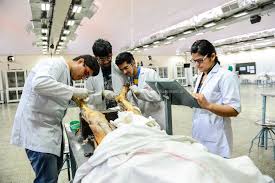
The Indian Institute of Science (IISc) in Bengaluru is planning to start offering medical courses next year. Govindan Rangarajan, Institute Director, made the announcement during the virtual convocation ceremony on Wednesday.
“We are planning to start a postgraduate medical school on campus after about 100 years of excellence in science and engineering,” Rangarajan said, citing the interdisciplinary nature of other courses offered at the country’s premier science institution.
Rangarajan explained that IISc had both science and engineering represented equally right from its genesis. While IISc first offered studies in General Chemistry when it began in 1909, Departments of Electrical Technology and Organic Chemistry were quick to succeed.
The plan to begin courses in medical sciences had surfaced earlier this year, in May, as part of the implementation of the new National Education Policy (NEP–2020) upholding the nature of multidisciplinarity the new police was planning to instil.
The then Union Minister of Education Ramesh Pokhriyal had chaired a meeting with the directors of IISc, IITs, IIITs, IISERs, and NITs, after which he confirmed that IISc and IIT Kharagpur would soon begin offering medical science courses.
Meanwhile, as many as 110 medals were conferred upon students for their academic excellence adjudged by various subject-expert panels. This included 18 of them picked winners of the Institute Medal from different disciplines.
Further, 1832 PhD and Master’s students, and 204 undergraduate students will receive their degrees at the convocation ceremony. Since IISc’s inception, more than 20,000 students have graduated from the Institute. IISc offers PhD and Integrated PhD programmes, several Master’s programmes (MTech, MTech (Res), MDes, MMgmt) and a four-year Bachelor of Science (Research) programme.
India recorded 22,431 new COVID-19 cases and 318 deaths in the last 24 hours, the Union Health Minister informed on Thursday. Of these, 12,616 new cases and 134 deaths were reported in Kerala in the last 24 hours. Currently, there are 2,44,198 active COVID cases in the country. The cumulative caseload in the country now stands at 3,38,94,312 while 4,49,856 people have succumbed to the infection so far. With 24,602 recoveries in the last 24 hours, the recovery tally of the country has gone up to 3,32,00,258. The recovery rate stands at 97.95 per cent.
The weekly positivity rate is at 1.68 per cent, while the daily positivity rate stands at 1.57 per cent.
A total of 14,31,819 COVID-19 tests were conducted on Wednesday, the Indian Council of Medical Research (ICMR) informed today.
A total of 57,86,57,484 tests have been conducted so far.
Meanwhile, 43,09,525 COVID-19 vaccine doses were administered in the last 24 hours.
India’s COVID-19 vaccination coverage has exceeded 92.63 crores.
The World Health Organization (WHO) has advised that children in Sub-Saharan Africa and other places with moderate to high P. falciparum malaria transmission get the RTS,S/AS01 (RTS,S) malaria vaccine.
According to a WHO news release, the advice is based on the findings of an ongoing pilot programme in Ghana, Kenya, and Malawi that has touched over 8,00,000 children since 2019.
“This is a historic moment. The long-awaited malaria vaccine for children is a breakthrough for science, child health and malaria control,” WHO Director-General Dr Tedros Adhanom Ghebreyesus said.
“Using this vaccine on top of existing tools to prevent malaria could save tens of thousands of young lives each year,” he added.
Malaria remains a primary cause of childhood illness and death in sub-Saharan Africa.More than 2,60,000 African children under the age of five die from malaria annually.
In recent years, WHO and its partners have been reporting a stagnation in progress against the deadly disease.
“For centuries, malaria has stalked sub-Saharan Africa, causing immense personal suffering,” said Dr Matshidiso Moeti, WHO Regional Director for Africa.
“We have long hoped for an effective malaria vaccine and now for the first time ever, we have such a vaccine recommended for widespread use. Today’s recommendation offers a glimmer of hope for the continent which shoulders the heaviest burden of the disease and we expect many more African children to be protected from malaria and grow into healthy adults,” Dr Moeti said.
The recommendation is based on the advice of two WHO global advisory bodies, one for immunization and the other for malaria.
“WHO recommends that in the context of comprehensive malaria control the RTS,S/AS01 malaria vaccine be used for the prevention of P falciparum malaria in children living in regions with moderate to high transmission as defined by WHO.RTS,S/AS01 malaria vaccine should be provided in a schedule of four doses in children from five months of age for the reduction of malaria disease and burden,” the release said.

Leading public health experts and female doctors called for immediate policy interventions to prevent a hypertension epidemic in India on the occasion of World Heart Day, which was observed on September 29.Experts highlighted in a webinar hosted by the Family Planning Association of India thatDue to a variety of socio-cultural and environmental factors, hypertension disproportionately affects women in India.Economic factors impede their access to diagnostic services and timely treatment.
Among those who spoke at the event were Sanghamitra Ghosh (Secretary-General, IPHA, Kolkata)
Dr. Daksha Shah, Rathnamala Desai (President, FPA India) (Deputy Executive Health Officer, MCGM), Dr Kalpana Apte (Secretary-General, FPA India) and Dr Ajit Menon (Interventional Cardiologist,Mumbai).
They discussed the growing problem of hypertension, how to address it, why women did not seek treatment, what measures could be implemented to enable them to do so, and how to ensure treatment adherence.
According to the WHO, 63% of Indians suffer from noncommunicable diseases, with cardiovascular disease accounting for 27% of the total. In India, hypertension remains the leading cause of cardiac disease, despite a lack of awareness, inadequate primary care, and inadequate follow-up.
One in every five women in India (aged 15 to 49 years) has hypertension but is undiagnosed.Hypertension causes the blood vessel walls to thicken.
Dr. Sanghamitra Ghosh, Secretary-General of the IPHA in Kolkata, stated that the complications that have arisen. Impaired foetal growth, low birth weight, pre-eclampsia, and other hypertensive disorders cause morbidity and mortality in the mother, foetus, and newborn.
In younger and middle-aged women, hypertension may cause symptoms that are misdiagnosed as stress or menopause-related, resulting in neglect and becoming a risk factor for underlying diseases. Women may be more prone to developing hypertension after menopause due to a decrease in the levels of the cardio-protective hormone oestrogen.
“A preliminary review of data around the prevalence and care cascade of hypertension in India has revealed that women are at an increased risk of hypertension, especially beyond their reproductive years, as compared to men, and they are also sub-optimally treated,” said Dr Kalpana Apte, Secretary General, FPA India. Women are more likely than men to be affected by health disparities caused by sociocultural factors, as well as socioeconomic and political contexts.
Gender discrimination, socioeconomic burden, and physical mobility constraints frequently limit women’s access to optimal health care, she continued. This webinar provided an opportunity to interact with experts about data and programme gaps that can impede the effective implementation of gender-equitable hypertension control programmes in India.
Dr Rathnamala Desai, President of FPA India, elaborated on the subject, saying, “The key agenda of our advocacy efforts is to identify research gaps and design policy and programmes so that specific needs of women, during and beyond their reproductive years, are addressed.”
CVDs are more common in women (38%) than in men (31%), so it is critical to implement programmes that can control hypertension in women specifically, as the condition has a far-reaching impact on their health, well-being, and role in society.” “Hypertension affects nearly 24% of the world’s population and is a major risk factor for a variety of cardiovascular diseases and complications. Women are more likely than men to have hypertension, which often goes undiagnosed and untreated, putting them at a higher risk of complications.
There are many sex and gender-based disparities, as well as rural versus urban divides and inequalities, in the diagnosis and management of hypertension, particularly in women “Dr. Aijt Menon, a renowned interventional cardiologist from Mumbai, agreed. Dr. Daksha Shah, Deputy Executive Health Officer at MCGM, stated, “Given the country’s and city’s alarming NCDmortality statistics, we must prioritise budget and human resource allocation for NCDs, with a particular focus on women’s participation in the programme. Also, develop care models that involve the private sector and community organisations.
Noncommunicable diseases are the leading cause of death worldwide, accounting for 60% of all deaths, according to the WHO. Every year, a staggering 35 million people are killed by these silent killers, with 18 million of them being women. NCDs are the most serious threat to women’s health worldwide, wreaking havoc on women in developing countries during their most productive years. As a result, it is critical to prioritise hypertension treatment.
Controlling hypertension necessitates a strategic approach that begins with policy-level support for effective programme implementation, standardisation of treatment protocols, deployment of trained human resources and monitoring mechanisms across all tiers of the health system, inter-sectoral linkages and synergies between ongoing programmes, and improved people’s ability to prevent and self-manage chronic disease.
In this context, Prioritizing Advocacy for Control of Hypertension in India (PrACHI) is a collaboration between development partners FPA India and GHAI to reach out to key influencers for effective policy and programme implementation to reduce the prevalence of hypertension in India by 25% by 2025.
Advocacy efforts will focus on the effective implementation and convergence of national programmes and schemes that are either fully committed to hypertension prevention and management or include this strategic component as part of a larger programme. The critical asks will be for on-the-ground synergies between vertical programmes, larger allocations of resources (or resource pooling), and public-private partnerships for effective implementation and monitoring.
Foods high in antioxidants, fibre, or fatty acids that are thought to be beneficial to human health, such as salmon, broccoli, or blueberries, are considered superfoods. Antioxidants are thought to have cancer-fighting properties. They’re also high in healthy fats, which may help prevent heart disease. They can also aid in fertility!
Phytochemicals are plant-derived chemicals that produce dark colours and odours and have a variety of health benefits. Fibre is thought to aid in the prevention of diabetes and digestive problems.
During the coronavirus pandemic, switching to a plant-based diet is recommended since it is an effective strategy to extend life, protect the environment, and reduce disease risk. As a result, diet is critical in preserving your general health and nutrition, particularly as we combat this infection.
Vegetables, fruits, whole grains, seeds, herbs, minimally processed spices, and no animal products, such as red meat, poultry, fish, eggs, or dairy, are all part of a herb diet.
However, there is no definitive definition of superfoods from a scientific standpoint. It simply means that it is a food that has high quantities of essential nutrients and is linked to improving health and personal well-being or preventing diseases. The concept of designating a serving of food as a superfood seems to align with a desire to encourage a balanced diet rich in fruits, vegetables, lean meats, and whole grains.
FOR WOMEN AND MEN, THE TOP 5 FERTILITY SUPERFOOD
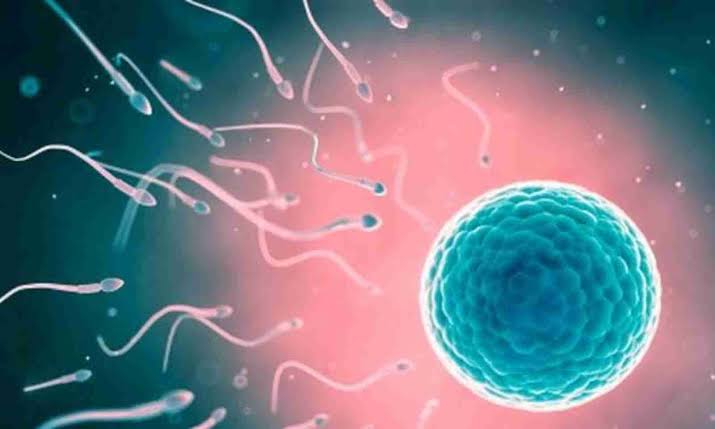
A healthy diet, according to fertility specialists, can have a substantial impact on fertility. A well-balanced, vitamin- and nutrient-rich diet can aid in improving oocyte and egg quality, as well as sperm integrity. Eggs can be harmed by increased stress levels or lifestyle changes, so nutrients like omega-3 and antioxidants like vitamin C and co-enzyme Q can help. Folic acid is an essential vitamin that helps to prevent embryonic defects when present in sufficient concentrations in the bloodstream.
LEAFY GREEN VEGETABLES
They’re abundant in folic acid and vitamin C, two substances that aid in the process of ovulation. During pregnancy, it reduces the chance of miscarriage and chromosomal abnormalities. Include veggies like spinach, broccoli, kale, and fenugreek in your diet for the best results. By the way, green vegetables have been demonstrated to aid in the creation of high-quality sperm.
DRIED FRUITS AND NUTS
Protein, vitamins, and minerals are abundant in nuts and dried fruits. Walnuts are high in selenium, which can help eggs with chromosomal problems. The presence of selenium will aid to boost fertility by reducing harm. This antioxidant protects the human body from free radicals and boosts egg production. To increase your fertility, eat a handful of nuts and dried fruits every day.
QUINOA
It is vital that the expecting mother consumes at least half of her daily grain intake as whole grains. Substituting plant-based proteins like quinoa for animal-based proteins increases the likelihood of conception. This also aids in the regulation of the menstrual cycle as well as the control of blood sugar levels. Quinoa also has a high fibre content.
SEEDS FROM PUMPKINS
Pumpkin seeds aid in the development of mature cells. They’re also high in zinc, which aids in the production of testosterone and sperm. Furthermore, pumpkin seeds can increase blood flow to all reproductive organs, which helps to support and control a healthy reproductive system. Pumpkin seeds are high in energy and nutrients, and they are good for everyone to eat.
BANANAS
Vitamin B6 is abundant in bananas, and it supports zygote formation by regulating hormones involved in the ovulation process. It also has a high potassium and vitamin C content. Because a lack of potassium and vitamin B6 causes poor egg and sperm quality, it is recommended that parents who are trying to conceive eat bananas for breakfast.
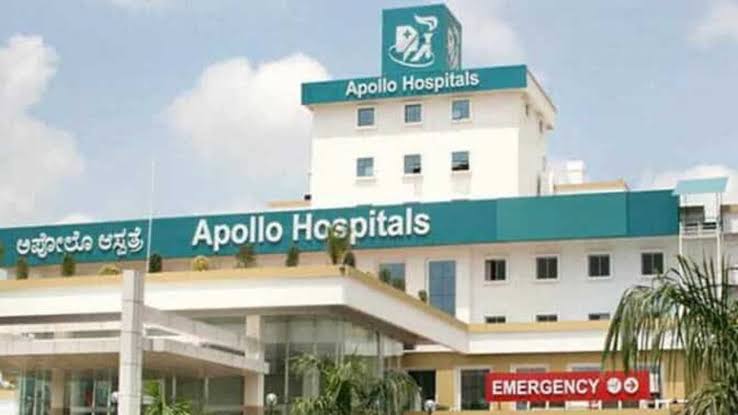
Hyderabad, October 6th, 2021: Apollo Hospitals, Asia’s foremost integrated healthcare services provider, today launched the Apollo Centre of Excellence in Critical Care (ACECC). Apollo Hospitals is currently the largest critical care provider in India with over 25% of its in-patient bed capacity designated for critical care. Critical care, also referred to as Intensive care, deals with critically-ill patients who require intensive care for various medical conditions that are immediately life-threatening but reversible. The ACECC will harness digital technology to create an integrated network of eICUs providing world-class critical care not just across the Apollo Hospitals network but also in partnership with non-Apollo units in India and abroad. The ACECC will enable wider and timely access to critical care and help in implementing a standardised scope of management and treatment in emergencies and critical medical situations.
Dr. Prathap C Reddy, Chairman, Apollo Hospitals Group said, “Critical illness leads to millions of deaths each year. However, critical care faces challenges due to factors such as lack of prioritisation, co-ordination, timely identification and availability of basic life-saving treatments. At Apollo Hospitals, we have the vision, expertise and ability to transform critical care for India and beyond through excellence in outcomes in an evidence based cost effective manner. The Apollo Centre of Excellence in Critical Care will be instrumental in turning this vision into reality. The ACECC goes beyond Apollo Hospitals through partnerships with non-Apollo units, both public and private to add value and make it a win-win for patients, doctors, nursing homes and hospitals across India.”
The ACECC will comprise digital technology enabled Critical Care Units (CCUs) having standard protocols and operating procedures (SOPs) supported by smart solutions. This will enable expansion of the critical care network through e-ICUs using Tele-health and Apollo Connect. The ACECC will also focus on evidence-based protocols, training, and capacity building of critical care specialists.
Ms. Preetha Reddy, Executive Vice Chairperson, Apollo Hospitals Group said, “The COVID pandemic highlighted the challenges faced by the country with regard to its critical care infrastructure. Studies have indicated that India has just 2.3 critical care beds per 100,000 population as against 10 to 11 beds per 100,000 population in developed countries like South Korea and Singapore. The pandemic brought to the fore the need for augmenting India’s critical treatment facilities and creating capability for high end critical care. The ACECC will be based on a network of hub-and-spokes units between Apollo and non-Apollo providers, both public and private, to ensure that every citizen has access to the best of critical care when needed.”
Critical care is delivered by critical care specialists, who are also referred to as intensivists. An intensivist is specially trained to manage the broad range of conditions that are commonly found in critically ill patients. They also need to be aware of the various procedures and devices used in an intensive care setting, and the technology that powers it. They will also collaborate with other specialities that are relevant to individual cases.
Ms Suneeta Reddy, Managing Director, Apollo Hospitals Group said, “Critical care in the country today faces multiple challenges ranging from lack of trained staff and equipment and a lower priority given to emergency and critical care as compared to other specialities.
The ACECC will enable quality critical care with a reduction in morbidity and mortality by encompassing the entire gamut of critical care backed by appropriate training of healthcare professionals. Integrated education and training through Medvarsity will ensure up-to-date clinical knowledge for the healthcare physicians and staff. International partnerships will create an environment for excellence in clinical standards, education, research and support.”
Dr Sangita Reddy, Joint Managing Director, Apollo Hospitals Group said, “There was tremendous pressure on critical care during COVID-19 surge, but resilience and undiluted commitment of the intensivists ensured delivery of care of the highest standards given the circumstances. Innovation, agility, adapting to rapidly changing situations and dedication were on display in the most difficult conditions. In the spirit of the transformation that has been seen across healthcare we have redoubled efforts to create an exceptional experience in critical care for all stakeholders. ACECC will oversee an integrated critical care network, leveraging our collective strength across the group, and will ensure that we take the speciality to a different level not only in the country but also build a global model for the same.”
Dr. K. Hari Prasad, President – Hospitals Division, Apollo Hospitals Enterprises said, “The country faces a resource mismatch with 80% of physicians working in urban areas and 70% of the population residing in remote locations. The ACECC will help in overcoming variability in expertise and critical care delivery and provide smart solutions to the national shortage of critical care experts.”
Critically ill patients present with a different set of challenges from in-patients in other specialities. They require constant monitoring, care and support, which makes the role of critical care vital to the patient’s health. A patient in a critical care unit has an entire team of specialised physicians, nurses, and other medical staff to look after every need.
Professor Ravi Mahajan, Director – Critical Care Integration and Transformation, Apollo Hospitals Group said, “The launch of the Centre heralds furthering Apollo’s ambition to make high quality, affordable Critical Care expertise available even to the remotest parts of India. It will be a focal point for national networks and international collaborations achieving excellence through standard setting, developing protocols, quality improvement programmes, education and research”
About Apollo Hospitals:
It was in 1983, that Dr. Prathap C Reddy made a pioneering endeavour by launching India’s first corporate hospital – Apollo Hospitals in Chennai.
Now, as Asia’s foremost trusted integrated healthcare group, its presence includes over 12,000 beds across 72 Hospitals and 4100 pharmacies, over 120 Primary Care clinics and 650 Diagnostic centres, 700 plus Teleclinics, over 15 medical education centres and a Research Foundation with a focus on global Clinical Trials. The most recent investment being the commissioning of South East Asia’s very first Proton Therapy Centre in Chennai.
Every four days, the Apollo Hospitals Group touches a million lives, in its mission to bring healthcare of international standards within the reach of every individual. In a rare honour, the Government of India had issued a commemorative stamp in recognition of Apollo’s contribution, the first for a healthcare organization. Apollo Hospitals Chairman, Dr. Prathap C Reddy, was conferred with the prestigious Padma Vibhushan in 2010.
For 37 years, the Apollo Hospitals Group has continuously excelled and maintained leadership in medical innovation, world-class clinical services and cutting-edge technology. Its hospitals are consistently ranked amongst the best hospitals in the country for advanced medical services.

In a pilot study, depressed patients who had Covid responded better to standard antidepressants than those who did not have Covid.
The findings of the study have been published in the journal “European Neuropsychopharmacology.”
Within six months of infection, over 40% of covid patients report developing depression. The inflammation generated by covid is thought to be the primary factor in the onset of depression. New research has discovered that roughly 90% of patients with covid respond to SSRIs, which is substantially higher than previously thought.
“We know that covid led to an epidemic of mental health disorders,” stated Mario Mazza, MD, of San Raffaele University in Milano. Although post-covid depression is a severe problem, with approximately 40% of covid patients experiencing depression within 6 months of infusion, this study suggests that people who have received covid have a greater chance of managing their depression than previously assumed.
Professor Francesco Benedetti’s psychiatry and clinical psychobiology laboratory at San Raffaele Hospital in Milano treated 58 patients with SSRIs who had acquired post-covid depression.

Key Highlights
• Diabetes increases your chances of having your first stroke.
• An ideal blood sugar level can help reduce the risk of a second stroke or heart attack.
• When people with A1C levels higher than 7% were admitted to the hospital, their chances of having another stroke increased by 28%.
According to new research, perfect blood sugar levels may exist for diabetics who suffer a stroke in order to reduce the risk of later vascular disorders such as a stroke or heart attack.
The study’s findings were published in the medical journal “Neurology.”
“We know that having diabetes may be associated with an increased risk of having a first stroke,” said study author Moon-Ku Han, MD, PhD, of Seoul National University College of Medicine in Korea.
“But our results indicate that there is an optimal blood sugar level that may start to minimize the risk of having another stroke, a heart attack or other vascular problems, and it’s right in the 6.8 per cent to 7.0 per cent range,” Han added.
There were 18,567 diabetics in the research, with an average age of 70. A blood clot produced an ischemic stroke in all of the subjects; therefore they were all brought to the hospital. Researchers utilized a test called hemoglobin A1C to evaluate people’s average blood sugar level over the previous two to three months after they were admitted.
This test determines the percentage of sugar-coated hemoglobin proteins in the blood. A level of less than 5.7 percent is considered normal, while a level of 6.5 percent or greater implies diabetes. The average A1C of the subjects was 7.5 percent.
The researchers then followed up a year later to see if A1C levels were linked to the risk of having another stroke, a heart attack, or dying from these or other vascular causes.
Within a year of commencing the trial, 1,437 people, or about 8%, had a heart attack or died from vascular illness, and 954, or 5%, had another stroke.
People brought to the hospital with A1C levels above 6.8% to 7.0 percent had a higher risk of having a vascular event, such as a heart attack, as well as having another stroke, according to the study.
After controlling for characteristics such as age and gender, researchers discovered that those brought to the hospital with A1C levels above 7.0 percent had a 27 percent higher risk of a heart attack or other vascular disease than those hospitalized with A1C values below 6.5 percent.
When people with A1C levels above 7.0 percent were admitted to the hospital, their chance of having another stroke was 28 percent higher than when they had A1C levels below 6.5 percent.
“Our findings highlight the importance of keeping a close eye on your blood sugar if you’re diabetic and have had a stroke,” Han said.
The study’s main weakness is that participants’ blood sugar levels were only assessed once at the start of the study.

United States Deputy Secretary of state Wendy Sherman has met medical researchers and public health advocate in New Delhi and held discussions on covid-19 pandemic and vaccine production.
Taking to Sherman said, “it Was a pleasure to meet with medical researchers and public health advocates in New Delhi Today. We talked about everything they are doing to save lives in Covid pandemic and India’s leadership on vaccine production and assistance. ”
US Deputy Secretary of state arrived in New Delhi on Tuesday to review India-US bilateral agenda and discuss regional and global issue.
During her visit from October 5-7 she, will hold talks with External Affairs Minister, S. Jaishankar and National security advisor, Ajit Doval.
As per Ministry of External Affairs release, she will meet foreign secretary Harsh Vardhan Sringla on October 6 to review the Indian-US bilateral agenda and outcomes of Prime Minister Narendra Modi’s recent visit to US.
“They will exchange views on regional issues pertaining to South Asia and the Indo-pacific region and contemporary global issues. Both diplomats will also participate in a special session of the India-Ideas summit organised by the US India Business Council (USIBC) ” the MEA said.
During her visit, Sherman will call on External Affairs Minister, S. Jaishankar and National security advisor, Ajit Doval.
Sherman’s visit will be a useful opportunity to continue the regular dialogue and further strengthen the India-US comprehensive Global Strategic Partnership, added the release.