Bharat Biotech has sought India’s drug regulator DCGI’s approval to extend the shelf life of it’s Covid-19 vaccine Covaxin from six months to 24 months and has hence written a letter to the functionary body on Sunday, reports TOI.




Bharat Biotech has sought India’s drug regulator DCGI’s approval to extend the shelf life of it’s Covid-19 vaccine Covaxin from six months to 24 months and has hence written a letter to the functionary body on Sunday, reports TOI.

Researchers in Singapore have found that an antiseptic throat spray and an oral drug usually prescribed to treat malaria and arthritis have been found to effectively reduce the spread of COVID-19 in high-transmission settings, according to a media report on Sunday.
The findings were made based on a large-scale clinical trial conducted last May, involving more than 3,000 migrant workers living in Tuas South Dormitory in the Industrial District of Singapore, Channel News Asia reported.
“This is the first study to demonstrate the benefits of prophylactic, or preventive therapy with either oral hydroxychloroquine or povidone-iodine throat spray in reducing SARS-CoV-2 infection among quarantined individuals living in a closed and high exposure setting,” said lead author of the clinical study, Associate Professor Raymond Seet from the National University Hospital (NUH).
During the six-week trial, workers were given a povidone-iodine throat spray, which can be bought off the counter, and oral hydroxychloroquine, which requires a prescription.
According to the study, both were found to reduce the incidence of coronavirus infection.
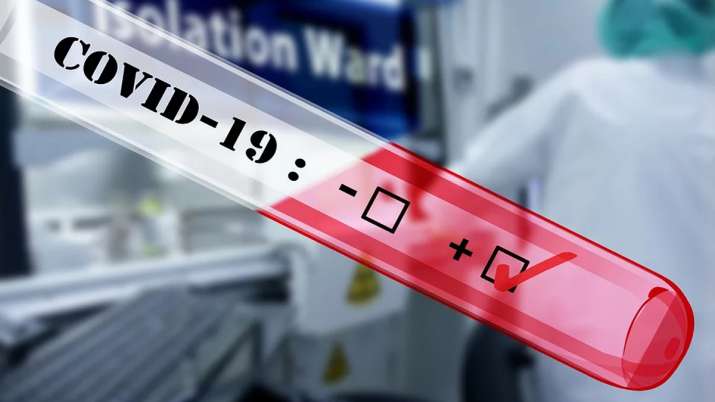
The hostel of Government Nursing College at Uttarakhand’s Sursingh Dhar has been declared a containment zone as its 93 students were declared Covid positive.
Samples of 200 students were taken, and reports of some students are awaited. While 65 students who tested negative for COVID-19 are being sent home. As per the order of District Magistrate Tehri, the hostel has been declared as a containment zone.
Uttarakhand has reported 5084 new Covid cases and 81 related in deaths in the last 24 hours.

With an aim to make up to 240 million doses per year, Cadila healthcare has announced that it has started producing its potential Covid-19 vaccine, emergency use authorization for which will be sought by it in May or June, its MD told Reuters.
The Government officials said they are eagerly waiting for Cadila to seek approval for ZyCov-D soon.
“We have just started producing doses,” Sharvil Patel said in a Microsoft Teams interview. “But it is not meaningfully large.”
He said the aim was to produce 10 million doses a month starting June, taking the in-house annual capacity to 120 million. The rest of the production, as required, will mainly come from third-party producers.
“We are already talking with two other manufacturers. We will slowly add more manufacturers,” Patel said.
Its DNA plasmid product – which involves the injection of a small part of the virus’s genetic code (DNA or RNA) to stimulate immune response in the recipient – is currently meant to be given in three doses but the company is also doing trials on a two-dose regimen, he said.
ZyCoV-D’s success is crucial for India, the country with the world’s biggest vaccine making capacity.
Patel said unlike some other drugmakers hit by US curbs on exports of vaccine raw material, Cadila was sourcing its ingredients domestically.
“We did anticipate those challenges,” he said. “Everything for us is done in India. Our supply chain is secure. We don’t have any issues for the next 14-15 months.”

The Brihanmumbai Municipal Corporation (BMC) on Friday decided to allocate symptomatic Covid-19 patients a bed only post-examination by the medical staff at the patient’s home and had hence issued a new protocol to be followed on admitting Covid-19 patients at hospitals.
According to BMC, all 24 wards have been directed to form a team of 10 medical staff including doctors who will visit patients’ houses and check their parameters in order to understand the type of bed required for admission.
In a statement issued on Friday, the BMC said, “The coordination for the visit of doctors to Covid patient’s home will be done by the respective ward war room. The team of 10 medical staff in each ward will also be provided with a separate ambulance. The visit will be done between 7am and 11pm. However, for the period of 11pm to 7am, the patient will be brought to the nearest jumbo Covid-19 centre and will be tested and admitted, accordingly.”
According to BMC officials, this way, patients will be allotted beds as per their need and medical condition, and not just based on their explanation or narration of their medical condition.
French Emmanuel Lenain tweeted a message in Friday from President Emmanuel Macron offering support and solidarity to India and providing support for Covid-19 response, while cooperation on pandemic-related issues figured in a virtual meeting between external affairs minister S Jaishankar and European Commission executive vice-president Margrethe Vestager.
“I want to send a message of solidarity to the Indian people, facing a resurgence of Covid-19 cases. France is with you in this struggle, which spares no-one. We stand ready to provide our support,” Macron was quoted as saying by the French envoy.
Australian foreign minister Marise Payne extended solidarity to India “as it tackles this latest Covid-19 outbreak” and said in a tweet: “India’s generosity and leadership in providing vaccines to our region is appreciated. We will continue to work together closely to respond to this global crisis.”

National Centre for Disease Control (NCDC) director, Sujeet Singh on Friday stated that the current wave of the coronavirus pandemic in Delhi could have been fuelled by the UK variant as its prevalence in genomes sequenced nearly doubled from the second to the last week of March.
Speaking at a webinar, ‘Genome Sequencing of SARS-CoV-19’, Singh said the UK variant of coronavirus is also dominant in Punjab. In Delhi, there are primarily two types of variants — B.1.617 and the UK strain — found in the genome sequenced samples, the NCDC director said.
“If we try to co-relate, the surge we are observing in Delhi, it directly co-relates to the type of variant which we are observing,” he said.
So far, Singh said, 15,133 samples have been sequenced by INSACOG, a consortium formed in December last year to increase viral genomic surveillance in order to understand the spread of the coronavirus in a rapid and robust manner.
The B.1.617 variant of coronavirus is also known as the double mutant strain.
The UK variant was found in 28 per cent of samples in the second week of March. In the last week of the month, 50 per cent of samples had this variant, Singh said.
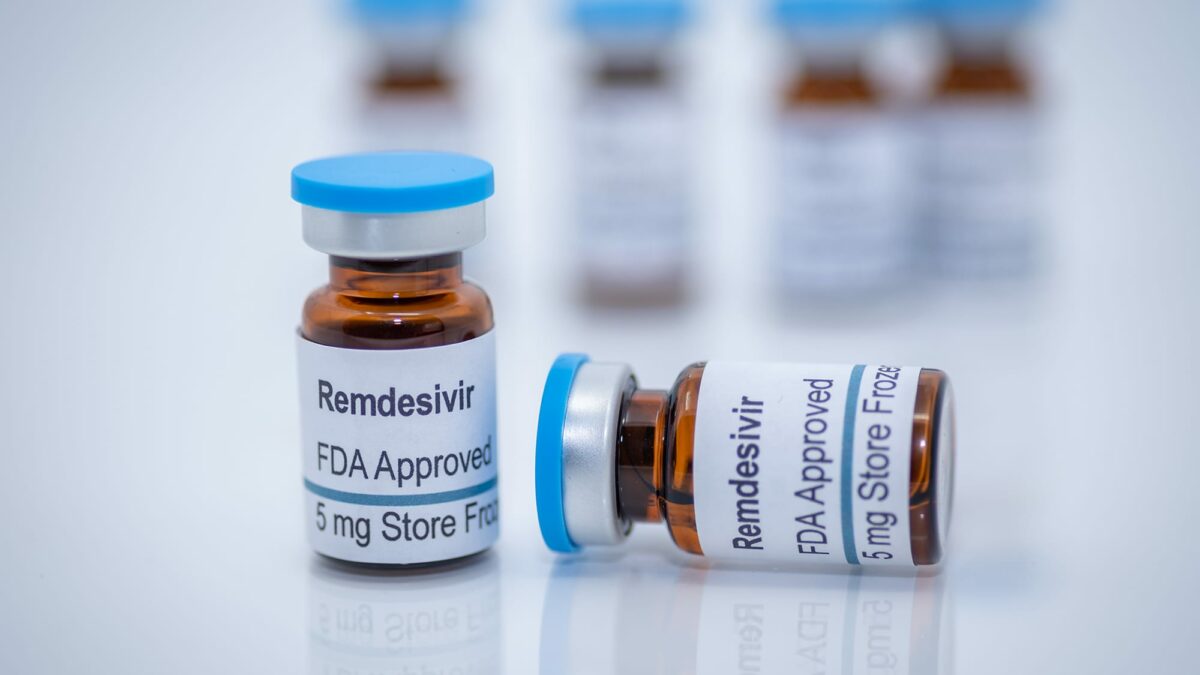
Amid reports of shortage and hoarding of Remdesivir, Union Minister Mansukh Mandaviya on Friday said the production capacity of the anti-viral drug, which is used in the treatment of COVID-19 patients, has now been increased to 90 lakh vials per month. Earlier, it was 40 lakhs vials per month, said the Minister of State of Chemicals and Fertilisers. He added that the production capacity will soon be increased to 3 lakh vials per day.
“Since 12th April, 25 new manufacturing sites for Remdesivir’s production have been approved. Production capacity is now ramped up to ≥90 lakhs vials per month, earlier it was 40 lakhs vials/month,” Mandaviya tweeted.
“Very soon, 3 lakh vial/day will be produced. Monitoring is being done on daily basis. We would not leave any stone unturned to supply Remdesivir,” he added.
The Drug Controller General of India (DCGI) approved emergency use of Zydus Cadila’s anti-Covid drug ‘Virafin’ on Friday.
Virafin, or Pegylated Interferon alpha-2b (PegIFN), will be used for treating moderate COVID-19 infection in adults. A release by Zydus states that a single dose of the antiviral drug Virafin will make the treatment more convenient for the patients, and that it reduced the duration for supplemental oxygen to 56 hours from 84 hours in moderate COVID-19 patients.
When administered early on for COVID-19 infections, Virafin will help patients recover faster and avoid many COVID-19-related complications. Virafin will be available only on the prescription of a medical specialist for use in a hospital or an institutional setup, the release said.
Zydus has said that in its Phase-III clinical trials, the drug had shown better clinical improvement in the patients suffering from COVID-19. During the trials, a higher proportion of patients — 91.15% — who were administered with PegIFN, were RT-PCR negative by day seven. The drug ensures faster viral clearance and has several add-on advantages compared to other anti-viral agents.
Earlier this month, on April 5, Zydus had sought DCGI approval for the use of Virafin for the treatment of COVID-19 symptoms.
Speaking on the DCGI granting emergency use approval for Virafin, Dr Sharvil Patel, Managing Director, Cadila Healthcare Limited said, “The fact that we are able to offer a therapy which significantly reduces the viral load when given early on can help in better disease management. It comes at a much-needed time for patients and we will continue to provide them access to critical therapies in this battle against COVID-19.”
Over 500 doctors and healthcare workers from AIIMS Patna and Patna Medical College and Hospital (PMCH) have been tested Covid positive.
CM Singh, Medical Superintendent told PTI that a total of 384 employees of AIIMS Patna were infected that includes doctors, nurses and sanitization workers.
PMCH Superintendent Dr Indu Sekhar Thakur said more than 125 of its employees have tested positive so far that includes 70 doctors and over 55 nurses and other health workers.
He added that the hospital authorities have arranged separate isolation spaces for its infected employees.