


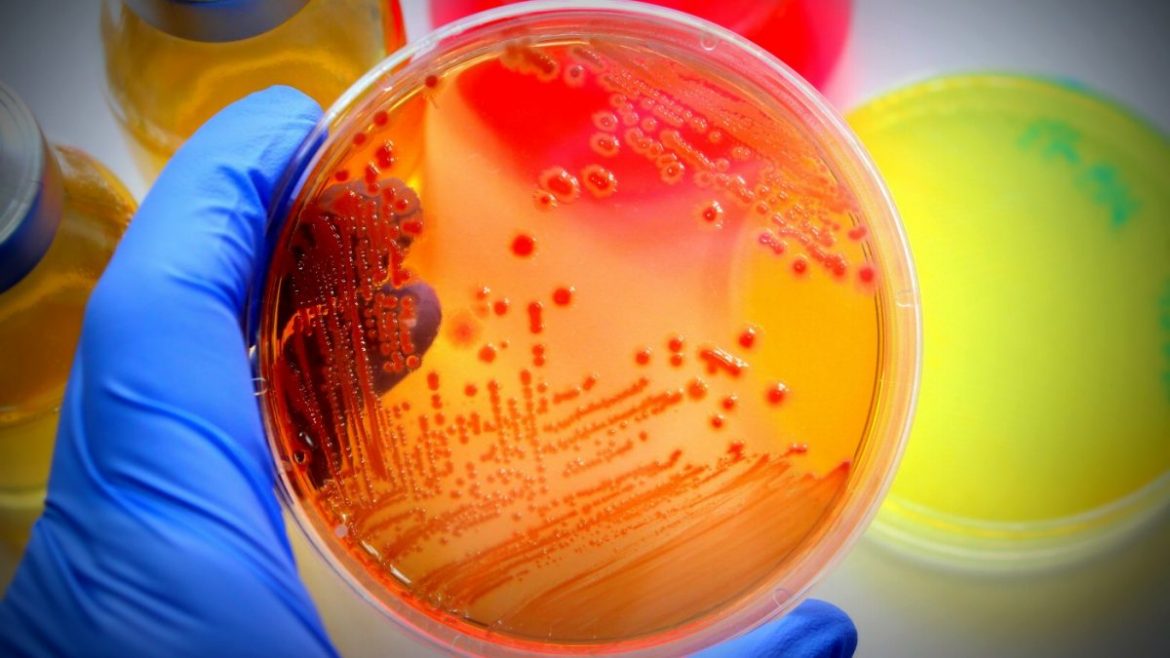
On Wednesday, the Health Department began administering the pneumococcal conjugate vaccination (PCV) to children at the Satellite Hospital on Ranjit Avenue. Previously, the department included PCV in the vaccination regimen to protect children against pneumococcal illness. “The vaccination is marketed for Rs 5,000 in the market, but the government is providing it free of charge,” Civil Surgeon Dr Charanjit Singh said. He claims that pneumococcal bacterium infects a large number of individuals, with the majority of instances resulting in death. “The first dosage of the vaccine is given at one month, the second at three-and-a-half months, and a booster dose at nine months,” said District Immunization Officer Dr Renu Bhatia.
Deworming drive initiated
Amritsar: The Health Department on Wednesday distributed albendazole tablets in schools and anganwadi centres as a part of its deworming drive. Civil Surgeon Dr Charanjit Singh gave tablets to students at Government School, Karampura. The medicine would be made available to around 2.10 lakh students at 1,313 government schools and anganwadi centres and three lakh children at 830 private schools in the district. Children aged between 1 and 19 years would be provided the medicine. The health officials said those kids who were unable to get the medicine today would be given the medicine on September 1. The Civil Surgeon said, “Deworming of children is necessary to ensure their better physical growth.” He said schools had asked to educate kids about personal hygiene.
Dr Dhawan is new deputy director
Tarn Taran: Dr Sandeep Dhawan assumed the charge as a Deputy Director (Animal Husbandry) on Wednesday. Earlier, Dr Dhawan was working as the Senior Veterinary Officer, at the Patti Veterinary Hospital. Dr Dhawan was greeted by employees and officials of the department. Dr Dhawan held a meeting with his colleagues and instructed them to provide better services to residents of the district.
Freedom Run flagged off
Amritsar: On the second day of photo exhibition organised at the Town Hall by under the Ministry of Information and Broadcasting, as a part of the ‘Azadi Ka Amrit Mahotsav’, painting and song competitions were held on Wednesday in which school children participated in a large number. Commissioner Municipal Corporation Malwinder Singh Jaggi was the chief guest. In his address, he said that in freedom struggle Punjabis have made sacrifices for which we have to be proud. The NCC cadets from 1st Battalion performed their routine at the event. Earlier in the morning a “Fit India Freedom Run” was also organised. Sandeep Rishi, Assistant Commissioner, Municipal Corporation, flagged off this run from GNDU.

Adar Poonawalla, Chief Executive Officer and Owner of Serum Institute of India (SII), expressed optimism today that another coronavirus vaccine, Covovax, made in India, will be released in October this year for adults and children by the first quarter of 2022.
The Serum CEO also thanked the Centre for all the support provided to the SII and said the company is always trying to expand its Covishield production capacity to meet the demand.
Poonawalla met with Union Home Minister Amit Shah in Parliament, where they spoke for 30 minutes.
“The government is helping us and we are facing no financial crunch. We are thankful to Prime Minister Narendra Modi for all the cooperation and support,” Poonawala told news agency PTI after his meeting.
When asked about vaccines for kids, he said, “The Covovax vaccine for kids will be launched in the first quarter of the next year most likely in January-February.”
Poonawala said he is hopeful that for adults Covovax will be launched in October, depending on DCGI approvals.
It will be a two-dose vaccine and the price will be decided at the time of launch, the Serum chief added.
On production capacity of Covishield, the vaccine being manufactured and supplied by Serum in India under a licensing agreement with Oxford and AstraZeneca, he said the present capacity is 130 million doses per month and always try to increase it further.
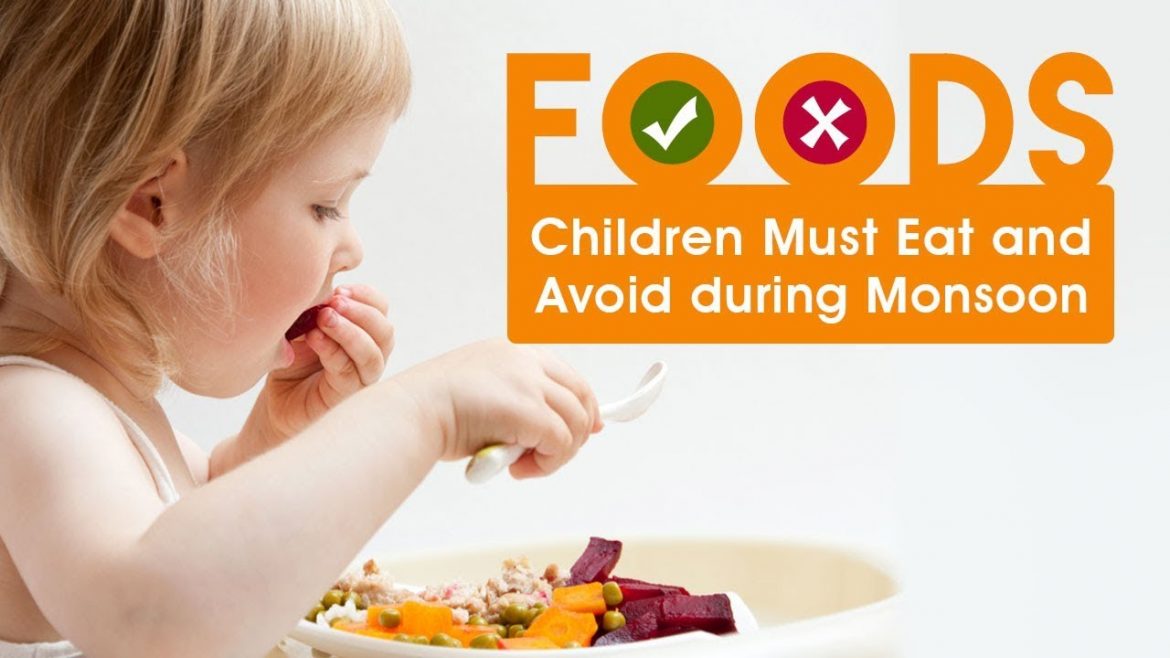
Monsoon is a fun and refreshing time for everyone, especially kids. After a long scorching summer, the cool breeze and the rains feels like a treat to us. Many children often like getting wet in the rain and that really can be a lot of fun for them. However, apart from the good things, the sudden change in the weather can bring all sorts of germs and bacteria that cause infections and diseases. Here are some foods for kids that they should eat and avoid during rainy season:
Foods that boost the child’s immunity during rainy season
Following are some foods that parents should try to include in their kids’ diet so that his/her immune system becomes strong enough to fight off diseases:
- Garlic: Garlic is rich in anti-oxidants that help in boosting immunity and aso in regulating their body’s mechanism.
- Turmeric: Turmeric is a superfood having anti-bacterial, anti-inflammatory, anti-fungal and anti-viral properties. That is why turmeric is a must have during rainy seasons.
- Green vegetables: Green vegetables are rich in nutrients and are very healthy to eat during rainy season, They build up the immunity systems of the kids and help them fight off infections.
- Seasonal fruits: It is very important to eat season fruits during rainy season. They are packed with a number of nutrients and also help the children to fight off any disease or infection.
- Dal: Dal is rich in proteins which are very much essential for kids during raining season. It gives a lot of energy and keep the immunity system of the kids strong and healthy.
- Soups: Hot soups give a lot of warmth and comfort during rainy season, that is very much needed. Soups are one of the best things to make your children drink during rainy season.
- Dry fruits, nuts and seeds: These are the best option for tea time snacks for kids. Cashews, walnuts and almonds help a lot during rainy season.
- Beetroot: Beetroot contains numerous amounts if vitamins, folic acids, minerals and potassium. It is very healthy and detoxifies the body. Kids may experience a lot of stamina after having beetroot.
- Kadha: Making your kids drink kadha in rainy season will ensure that their immunity system is boosted and they are very well able to fight off infections and diseases.
Foods that children should avoid during rainy season
Following are some foods that parents should strictly not add to their kids’ diet as they may weaken the immunity system and make their children prone to infections and diseases:
- Oily and fried food: Fried foods are not very healthy to eat during rainy season as they slow down the process of digestion.
- Ice creams: Ice creams are among kids’ favourites but they can cause much harm during rainy season. Kids may get infected and catch cough and cold after having ice creams or ice lollies.
- Fish: It is better to avoid fish or any other sea food during rainy season as fish breed during this time so it may affect their quality and taste.
- Mangoes: Mangoes if eaten in rainy season can cause acne, skin problems and digestive problems. The risk increases if a child already has digestive or skin problems.
- Curd: Due to its cooling properties, curd is better not to have in rainy season. Having curd makes you prone to diseases and catching cold.
- Soft drinks: Soft drinks reduce the number of minerals that are present in their body. This leads to a reduction in enzyme activities. This means that soft drinks will make your kids’ digestive system weak and they may easily get sick.
- Street food: Street food is one of the main reasons why children get ill during the rainy season. Chances of contamination are very high in the food that is sold on the streets. Therefore, it is very important to say a strict no to pani puris, bhel puris, momos, etc. Also, avoid eating out at restaurants as much as possible.

By: Dr. Emine A Rehman
Assistant professor, pediatrics department
AIIMS, Hyderabad
Aunty 1: The baby looks so thin, Baby needs cow’s milk, my dear. Me: Cow’s milk is for cow’s baby, my baby needs my milk.
Aunty 2: Oh God, such small breasts you have, how will your milk be enough? Me: My body has the capacity to create however much milk needed for my baby and you know it is the best food for her
Aunty 3: Don’t feed your baby so long, you are pampering him, he will never leave you. Me: How can you pamper your baby by nourishing him?
Aunty 4: Look at you, with the baby all the time, in our times we used to do all the household work and brought up so many kids as well. Me: bringing up a baby with love, care, and breastmilk is our choice as parents and we need all your help and support to successfully do it
Let’s ponder, how many of us have been the Aunty or ME in the above conversations in our lives? Almost all, right? Being a first-time mother at the age of 33 was not easy for me, to have a baby late was not a choice as well. Being a pediatrician was a privilege and personal life took a backseat in the pursuit of higher studies. I thought I knew the solutions to all the challenges of breastfeeding, but reality was far from different. As the saying goes “It takes a village to bring up a baby”, in the modern times “it takes an entire family to breastfeed a baby”. Urbanization, nuclear families and career goals have made the art of breastfeeding less familiar to many of the millennial to-be mothers. We want the best for our baby and we know that breastfeeding is the best path. However, many of us land up being a bundle of nerves when our babies arrive, not sure where to start and how to go about. Agreed that breastfeeding is natural both for mother and the baby, but we forget to warn the to-be mothers that it is a helluva painful, stressful and exhilarating ride. To top it all, mothers also have to deal with the benevolent, free-advice churning Aunties and Uncles in the midst of this roller-coaster. Many a time, the well-wisher could be our own father, mother or even husband. Equipped with knowledge and confidence, I could defend and retort to many of them. However, the dream is to equip every mother of our land with enough knowledge to be the ME in the above situations.
Adequate breastfeeding is a single practice that can prevent lakhs of children from dying, worldwide. World health organization and UNICEF recommends that breastfeeding is initiated within 1st hour of birth, baby be given nothing but mother’s milk till 6 months and breastfeeding to be continued till 2 years of age and beyond. The global rates for breastfeeding are 43%, 41%, and 45% at 1st hour, 6 months, and 2 years, respectively. So, it is not as universal as it has to be. Survey by POSHAN reported that in India, exclusive breastfeeding rate is 54.9%. Mothers face many a challenge like feeling of inadequate milk, household chores, expectations from workplace, pressure to supplement with formula etc. She needs the support of her near and dear ones as well as the community to overcome these hurdles. Currently, mothers can get guidance from ASHA/ anganawadi worker, and gain knowledge through materials circulated by Government of India via Radio and TV. She can also access various peer groups in social media as well as consult trained lactation counsellors. World Breastfeeding week celebration is celebrated every year in the 1st week of August and this year the theme is “Protect breastfeeding- a shared responsibility”. Breastfeeding no longer can be left as “ladies’ matter”. Confident, and knowledgeable mothers are the foundation of future generation. Hence, lets come together to support our mothers and become the true “well-wishing” Aunties and Uncles for our younger ones.
Hyderabad, July 2021: Apex Laboratories Private Limited, a Chennai based pharmaceutical manufacturer and exporter known for Research, Innovation and quality medicines for more than four decades, announced the approval of Antiviral drug Clevira as a supporting measure for Mild to Moderate condition of COVID-19, today.
Apex Laboratories has received approval from Government of India (Ministry of AYUSH) regulators for their Anti-Viral Drug Clevira as an additional indication as a supporting measure for Mild to Moderate condition of COVID-19 making it first of its kind approval in India through various stages of scrutiny at CCRAS (The Central Council for Research in Ayurvedic Sciences) and Inter Disciplinary Technical Review committee (ITRC), a 12 member technical committee constituted by Ministry of AYUSH and headed by Dr. S.K. Maulik, Former Professor, Department of Pharmacology, AIIMS.
Clevira is the brainchild of Apex’s R&D Centre based on proven scientific evidence and was launched in Indian market aftermath of Dengue outbreak and associated mortality in 2017. Clevira is extensively studied for its safety in animal model (Wistar rats) and efficacy in Human subjects in Phase II and III clinical trials. Clevira is an approved Antiviral formulation for the treatment of various viral infections including viral fever associated with or without thrombocytopenia. Clevira has proven for its efficacy as Analgesic, Antipyretic and reversal of thrombocytopenia apart from its Antiviral property. Clevira has ten potent standardized extracts, many of them antiviral in nature, including papaya leaf extract. Clevira is safe on host and lethal on viral cells. Studies indicate it doesn’t have any adverse reactions on vital organs. It is found to be very safe on renal and hepatic parameters. The results from clinical trials concluded in the month of September 2019, were published in an international journal called, International Journal of Innovative Research in Medical Sciences.
A phase III Clinical trial was carried out in Government Medical College, Omandurar Govt Estate Chennai, based on Government approval from The State Government of Tamil Nadu. The trial outcomes revealed Clevira having 86% recovery rate on 5th day of treatment in Mild to Moderate COVID-19 and 100% recovery rate noticed on 10th day of treatment, as per RT PCR or CT values. Clinical recovery from all signs and symptoms registered on 4.1 days. Clevira is proven to be safe on Kidney and Liver parameters.
The study outcomes were placed before the Government of Tamil Nadu, Indian Council of Medical Research (ICMR) and Ministry of AYUSH in 2020. After various stages of scrutiny and deliberations before various technical review committees, Government of India (Ministry of AYUSH) regulators have granted approval for Clevira as a supporting measure for Mild to Moderate condition of COVID-19.
Clevira is effective when taken orally and the dosage is one tablet twice daily after food for 14 days. Clevira is available as tablet and in Syrup form too. Clevira is cost effective, the cost of entire therapy is less than Rs 500/-, each tablet of Clevira costs only Rs 11/- and not a financial burden in a country like ours. It has excellent proven safety profile and can be co-prescribed with patients of other co-morbidity conditions; it is also safe for kids above two years. It can be given as a prophylactic for frontline workers.

CHENNAI: Health Minister Ma Subramanian inaugurated the Egmore Children’s Hospital’s pneumococcal conjugate vaccine push on Saturday. “Parents who have not yet had their children vaccinated should take advantage of this opportunity to do so as soon as possible. The three pills would cost Rs 12,000 each at a private hospital. But we’re giving it away for free here,” he explained.
Subramanian told reporters that the vaccine drive is being carried out countrywide and these doses will safeguard the kids from pneumonia and brain fever. “In other States, the pneumococcal conjugate vaccine drive began long ago, but the previous government in our State took no steps in this regard,” he added.
After inspecting the Egmore GH and meeting the children there, Ma Subramanian said that he has given the keys of his government-allotted house in the city to a Tirunelveli-based family as their five-year-old child, who consumed bleaching powder in March, is undergoing treatment at the hospital.
“The parents too have been staying at the hospital for months. So I gave them my official house key and told them that they can stay there as long as they want. I have instructed the authorities to provide them food for as long as they stay there,” he said. The child’s condition is improving gradually.

During a new study, researchers from St. Jude Children’s Research Hospital demonstrated that in order to capitalize on the lifesaving potential of precision medicine, comprehensive genomic sequencing of all paediatric cancer patients is feasible and essential, reports ANI.
Results from the St. Jude Genomes for Kids study appeared in the journal Cancer Discovery.
Whole-genome and whole-exome sequencing of germline DNA was offered to all 309 patients who enrolled in the study. Whole-genome, whole-exome and RNA sequencing of tumor DNA was carried out for the 253 patients for whom adequate tumour samples were available.
Overall, 86 per cent of patients had at least one clinically significant variation in tumour or germline DNA. Those included variants related to diagnosis, prognosis, therapy or cancer predisposition. Researchers estimated that 1 in 5 patients had clinically relevant mutations that would have gone undetected using standard sequencing methods.
“Some of the most clinically relevant findings were only possible because the study combined whole genome sequencing with whole exome and RNA sequencing,” said Jinghui Zhang, Ph.D., St. Jude Department of Computational Biology chair and co-corresponding author of the study.
Every tumour is unique. Every patient is unique.
Comprehensive clinical sequencing that includes whole genome, whole exome and RNA sequencing is not widely available. But as the technology becomes less expensive and accessible to more patients, researchers said comprehensive sequencing will become an important addition to pediatric cancer care.
“We want to change the thinking in the field,” said David Wheeler, Ph.D., St. Jude Precision Genomics team director and a co-author of the study. “We showed the potential to use genomic data at the patient level. Even in common pediatric cancers, every tumour is unique, every patient is unique.
“This study showed the feasibility of identifying tumour vulnerabilities and learning to exploit them to improve patient care,” he said.
Tumor sequencing guided the change in treatment for 12 of the 78 study patients for whom standard of care was unsuccessful. In four of the 12 patients, the changes stabilized disease and extended patient lives. Another patient, one with acute myeloid leukemia, went into remission and was cured by blood stem cell transplantation.
“Through the comprehensive genomic testing in this study, we were able to clearly identify tumor variations that could be treated with targeted agents, opening doors for how oncologists manage their patients,” said co-corresponding author Kim Nichols, M.D., St. Jude Cancer Predisposition Division director.
Additional findings of the study
Genomes for Kids enrolled patients between August 2015 and March 2017.
Eighteen percent of patients carried germline variations in one of 156 known, cancer-predisposition genes.
Almost two-thirds of the germline variations identified would not have been detected based on current screening guidelines.
Next steps
Genomes for Kids helped launch the hospital’s clinical genomics program, which has enrolled about 2,700 cancer patients to date.
Meanwhile, data generated through the Genomes for Kids study are available at no cost to the international research community. By sharing the data, St. Jude aims to speed advances in understanding and treatment of pediatric cancer. The data are available in St. Jude Cloud, reports ANI.
“Even the most treatable cancers are not curable in all patients. For example, relapse remains the leading cause of death for the most common childhood cancer, acute lymphoblastic leukemia,” Nichols said. “Being able to understand and predict which patients will respond to treatment and which won’t requires collecting comprehensive genomic data on all patients.”

The drug regulatory body of India will consider emergency use approval for Zydus Cadila’s Covid-19 vaccine this week and the Subject Expert Committee (SEC) will examine the data submitted by the company.
On July 1, the company had sought emergency use approval of ZyCoV-D, its DNA vaccine against Covid-19 for those aged 12 years and above, from the Drugs Controller General of India (DCGI). It had presented interim results from Phase-III clinical trials in over 28,000 volunteers. The study is said to have demonstrated safety and efficacy in the interim data.
The study was carried out “during the peak of the second wave of Covid-19 (in India), reaffirming the vaccine’s efficacy against the new mutant strains especially the Delta variant,” Zydus said in a statement.
If the committee is satisfied with the submitted data and documents, the vaccine will be approved for emergency use soon, officials said.
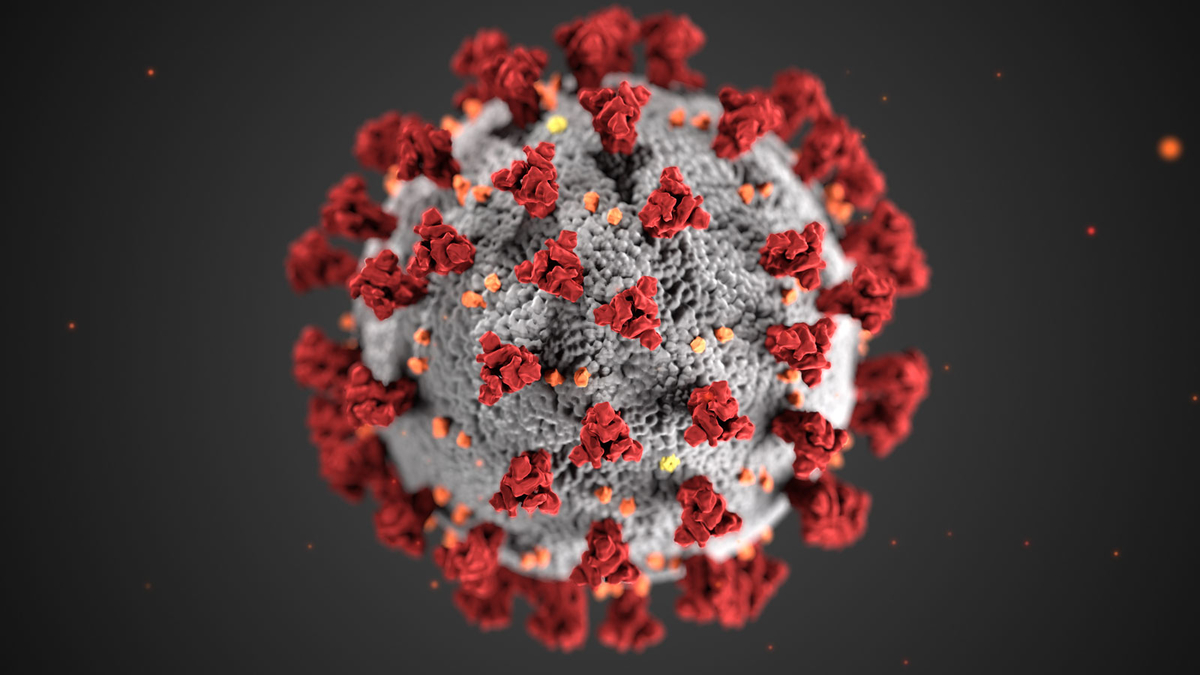
A study by Stanford University School of Medicine investigators hints that people with COVID-19 may experience milder symptoms if certain cells of their immune systems “remember” previous encounters with seasonal coronaviruses — the ones that cause about a quarter of the common colds kids get.
These immune cells are better equipped to mobilize quickly against SARS-CoV-2, the coronavirus responsible for COVID-19, if they’ve already met its gentler cousins, the scientists concluded.
The findings may help explain why some people, particularly children, seem much more resilient than others to infection by SARS-CoV-2, the coronavirus that causes COVID-19. They also might make it possible to predict which people are likely to develop the most severe symptoms of COVID-19.
The immune cells in question, called killer T cells, roam through the blood and lymph, park in tissues and carry out stop-and-frisk operations on resident cells. The study, published online July 1 in Science Immunology, showed that killer T cells taken from the sickest COVID-19 patients exhibit fewer signs of having had previous run-ins with common-cold-causing coronaviruses.
Discussions about immunity to COVID-19 often center on antibodies — proteins that can latch onto a virus before it’s able to infect a vulnerable cell. But antibodies are easily fooled, said Mark Davis, PhD, a professor of microbiology and immunology; director of Stanford’s Institute for Immunity, Transplantation and Infection; and a Howard Hughes Medical Institute investigator. Davis is the study’s senior author.
“Pathogens evolve quickly and ‘learn’ to hide their critical features from our antibodies,” said Davis, who is also the Burt and Marion Avery Family Professor. But T cells recognize pathogens in a different way, and they’re tough to fool.
Our cells all issue real-time reports on their inner state of affairs by routinely sawing up some samples of each protein they’ve made lately into tiny pieces called peptides and displaying those peptides on their surfaces for inspection by T cells.
When a killer T-cell’s receptor notices a peptide on a cell’s surface that doesn’t belong there — for example, it’s from a protein produced by an invading microorganism — the T cell declares war. It multiplies furiously, and its numerous offspring — whose receptors all target the same peptide sequence — fire up to destroy any cell carrying these telltale-peptide indications of that cell’s invasion by a pathogenic microbe.
Some of the original killer T cell’s myriad daughter cells enter a more placid state, remaining above the fray. These “memory T cells” exhibit heightened sensitivity and exceptional longevity. They persist in the blood and lymph often for decades, ready to spring into action should they ever cross paths with the peptide that generated the wave of T-cell expansion that begat them. That readiness can save valuable time in stifling a previously encountered virus or a close cousin.
As the pandemic progressed, Davis mused: “A lot of people get very sick or die from COVID-19, while others are walking around not knowing they have it. Why?”
To find out, the study’s first author, postdoctoral fellow Vamsee Mallajosyula, PhD, first confirmed that some portions of SARS-CoV-2’s sequence are effectively identical to analogous portions of one or more of the four widespread common-cold-causing coronavirus strains. Then he assembled a panel of 24 different peptide sequences that were either unique to proteins made by SARS-CoV-2 or also found on similar proteins made by one or more (or even all) of the seasonal strains.
The researchers analyzed blood samples taken from healthy donors before the COVID-19 pandemic began, meaning they’d never encountered SARS-CoV-2 — although many presumably had been exposed to common-cold-causing coronavirus strains. The scientists determined the numbers of T cells targeting each peptide represented in the panel.
They found that unexposed individuals’ killer T cells targeting SARS-CoV-2 peptides that were shared with other coronaviruses were more likely to have proliferated than killer T cells targeting peptides found only on SARS-CoV-2. The T cells targeting those shared peptide sequences had probably previously encountered one or another gentler coronavirus strain — and had proliferated in response, Davis said.
Many of these killer T cells were in “memory” mode, he added.
“Memory cells are by far the most active in infectious-disease defense,” Davis said. “They’re what you want to have in order to fight off a recurring pathogen. They’re what vaccines are meant to generate.”
Killer T cells whose receptors target peptide sequences unique to SARS-CoV-2 must proliferate over several days to get up to speed after exposure to the virus, Davis said. “That lost time can spell the difference between never even noticing you have a disease and dying from it,” he said.
To test this hypothesis, Davis and his colleagues turned to blood samples from COVID-19 patients. They found that, sure enough, COVID-19 patients with milder symptoms tended to have lots of killer-T memory cells directed at peptides SARS-CoV-2 shared with other coronavirus strains. Sicker patients’ expanded killer T-cell counts were mainly among those T cells typically targeting peptides unique to SARS-CoV-2 and, thus, probably had started from scratch in their response to the virus.
“It may be that patients with severe COVID-19 hadn’t been infected, at least not recently, by gentler coronavirus strains, so they didn’t retain effective memory killer T cells,” Davis said.
Davis noted that cold-causing seasonal coronavirus strains are rampant among children, who rarely develop severe COVID-19 even though they’re just as likely to get infected as adults are.
“Sniffles and sneezes typify the daycare setting,” he said, “and coronavirus-caused common colds are a big part of the reason. As many as 80% of kids in the United States get exposed within the first couple of years of life.”