The U.S. will get the first shipments of drug makers Pfizer & BioNTech Covid-19 vaccine on Monday but the process of shipment will start from Sunday onwards.The shipments of the vaccine will arrive in U.S. at 145 locations around the country.The announcement about the shipment has been done by the U.S. Army General during a press briefing.
Uncategorized
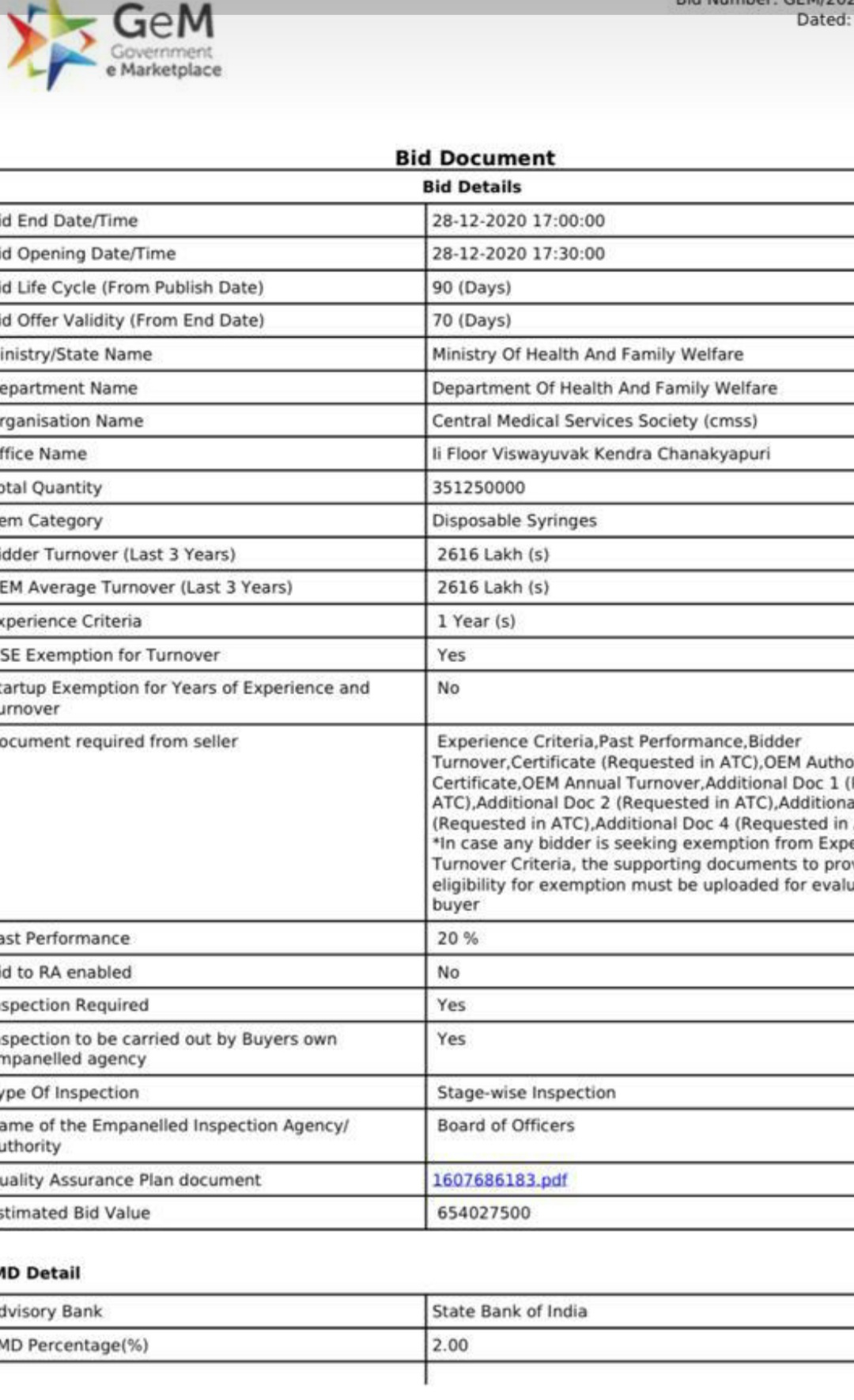
The tender for disposable syringes which are to be used for Covid-19 vaccination is out today.The bidding will be done December 28 , document required from the seller side should have OEM authorisation certificate, OEM annual turnover , bidder past experience , performance and certificate etc mentioned in the document.
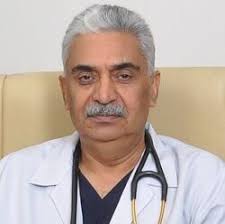
Dr Kler is eminent interventional cardiologist and electrophysiologist , he has global repute in leading Heart and Vascular Institute joins Fortis Memorial Research Institute (FMRI) at Gurugram and Fortis Flt Lt Rajan Dhall Hospital at Vasant Kunj.
Dr Kler was the first doctor in India to implant an Implantable Cardioverter Defibrillator, Cardiac Resynchronization Therapy (CRT), and Cardiac Resynchronization Therapy Defibrillator (CRT-D) (Heart Failure Device).
U.S approves Pfizer & BioNTech vaccine for pilots and controllers
Accroding to the reports by Rueters , the Federation Aviation Administration (FAA) , had approved the use of Pfizer and BioNTech Covid-19 vaccine by pilots and air traffic controllers.
U.S aviation regulator has said air traffic controllers and pilots must not go for duty till 48 hours as a part of safety measures.They are going to be monitored after the vaccine doses of Pfizer & BioNTech for COVID-19.
By Dr Rajesh Malhotra
A recent publication by the scientists at the Institute of Biomedical Sciences at Georgia State University in the United States of America has sparked hope about the containment and mitigation of the Covid pandemic. The team of scientists led by Dr. Richard Plemper used the drug, Molnupiravir, which they had previously discovered to be potent against influenza virus, to treat patients with SARS- Cov-2 virus. The drug when administered orally to ferrets, known to mimic the transmission of disease similar to human beings led to rapid blockage of the Covid transmission and control of acute disease by inducing a catastrophic error in viral replication. Moreover, the drug can be administered orally. This can be the game changer in the near future.
Novel coronavirus has created chaos globally and the greatest challenge has been the high rate of infectivity even before and during the symptomatic phase. The pandemic has affected more than 67 million people globally and caused more than 1.5 million deaths. We have had no effective treatment for SARS-CoV-2 and the hopes have hinged on discovery of new drugs effective against the virus, herd immunity as well as vaccination. Each one of these strategies has several limitations and logistical issues, particularly evident with respect to the vaccination, which even though developed in a record time, unprecedented in the history of humankind, yet presents with several challenges including large-scale human trials and issues related to procurement, storage, transport and finally, administration. None of the previously available anti-viral drugs make a dent on either hospitalization or mortality rates among those afflicted with this scourge. The herd immunity is still a far cry and the number of lives we stand to lose by the time we achieve it is horrific and daunting.
The COVID-19 infection reproduces when it is transmitted to susceptible people previously free of infection. We have known that breaking the chain of transmission is a key strategy and will remain so even after the availability of vaccine as the administration of vaccine will be truncated and those who are vaccinated will throw the protective immune response to the virus only after a couple of months. The physical distancing remains an effective strategy to attempt and control the spread of the virus. R0 (R naught), also called the reproduction number ratio has been suggested to determine the potential of the disease to continue to snowball into a wider spread pandemic or die down. R0 is the average number of people who contract the infection from one infected person with the disease. When R0 falls below one, the spread of the virus will be treated as contained and the disease will eventually be extinguished.
The potential availability of an orally administered drug, which after two doses 12 hours apart renders the affected animals noninfectious within 24 hours is the most invaluable boon which could not have come at a better time. This is because we are increasingly observing the “COVID-inappropriate behavior” where people are seen throwing caution to winds on the pretext of “COVID- fatigue” or using the excuse of festivities, political demonstrations and so on with attendant risk of fanning the pandemic. The drug has a potential not only to interrupt the widespread community transmission but also allow effective management of COVID-19 and can mitigate the catastrophic consequences of the infection. It can inhibit the development or worsening of the disease severity, smother the local outbreaks and mitigate the spread of disease as well as the emotional and socio-economic toll of prolonged patient isolation. The oral mode of administration of such a drug when available can allow quick administration of the drug to those infected and protect all the contacts around the patient. While treating an infected person is, directly and indirectly, cost-intensive, early control of the spread of the disease by such intervention will not only save money and suffering but lives as well by blunting the severity of clinical disease if the results of animal studies are reproduced in human beings. The gains in terms of lives saved as well as the economic and psychosocial impact will possibly be unfathomable but unquestionable. The greatest beneficiaries will be the old and the differently-abled who need assistance and their caregivers who will be either at risk of getting infected or unable to take care of infected differently-abled persons. According to one of the recent studies, about 62% of the differently-abled people needed a caregiver.
Surely, this will change their lives.
Several key and crucial steps, however, need to be taken before this therapy becomes available and accessible. The spectacular results seen in the animals should prompt early authorization of human trials for safety and efficacy. A COVID stricken world that has done a magnificent job of producing vaccine in a record time, should go on and work on such new drugs and not rest on its laurels. It is a long, tedious and tortuous path before the drug gets established as safe and effective for use among human beings, is granted regulatory approvals and becomes available for common use. Until then, we must rely on social distancing, mask and hand hygiene as interrupters of chain of COVID transmission.
The writer is Dr Rajesh Malhotra, Head of the orthopaedics department at AIIMS and Chief of AIIMS Trauma Centre.
Why IMA couldn’t get support for a bandh from Delhi Pvt. hospitals?
Many doctors at several hospitals in the national capital protested by wearing black ribbons in support of the call of the IMA against Centre’s move allowing post-graduate practitioners of Ayurveda to get training for performing surgical procedures. Doctors from the hospital who protested are from AIIMS, DDU Hospital, GTB Hospital, LNJP Hospital, Rajiv Gandhi super-specialty hospitals, BSA hospital , Sanjay Gandhi memorial hospital and civic-run Hindu Rao hospital these doctors has performed their duties while wearing black bands and ribbon. Dental Association also extended their support.
But most of the private hospitals in Delhi doesn’t support IMA protest because of the COVID-19 situation.
“We are against the order of the Ayush Ministry which is allowing certain surgeries and also written letters to PM Modi and the Ministry of Ayush. This will harm the prestige of the medical education.Delhi is already going through the worst face of COVID-19 cases seeing this DMA hasn’t participated in Bandh.”Says Dr Harish Gupta, Member DMC, and DMC
AstraZeneca to test combination with Sputnik V COVID-19 vaccine for more efficacy
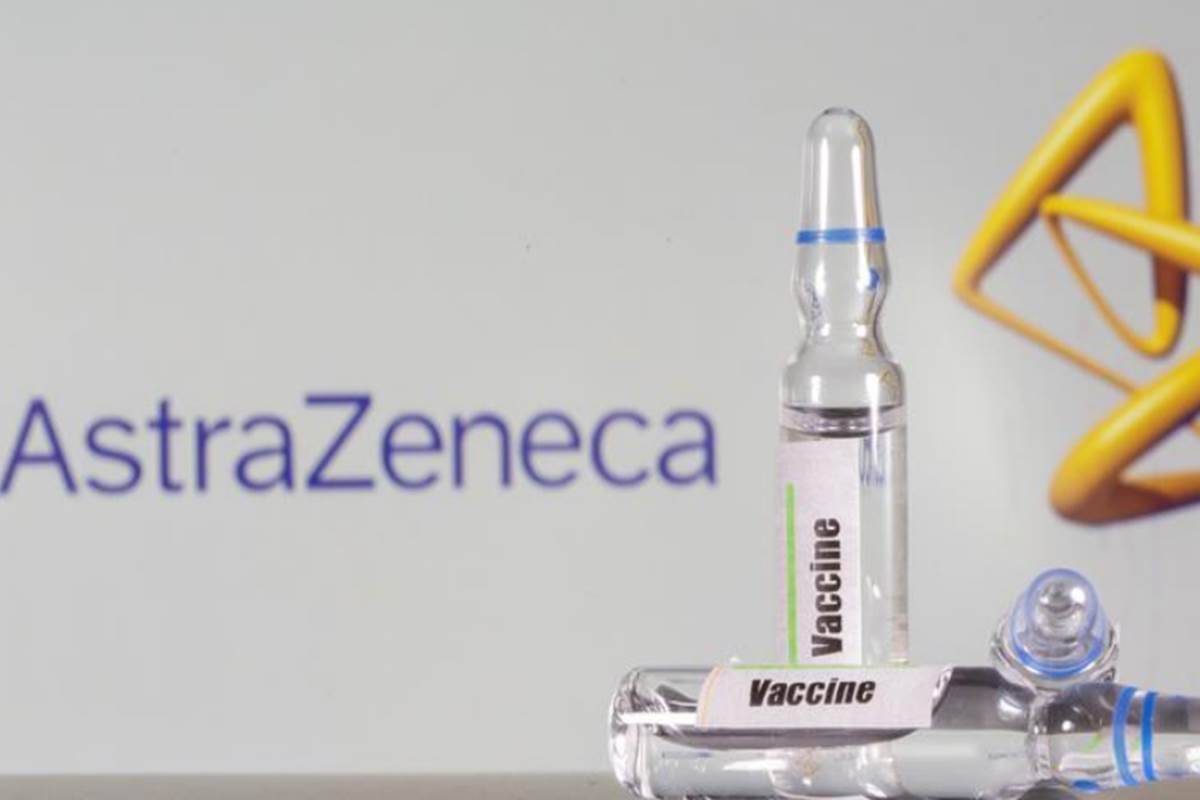
AstraZeneca said it would investigate combining its COVID-19 vaccine with Russia’s Sputnik V vaccine that can boost the efficacy of a vaccine.This suggestion was given by the Sputnik V developers on Tweet a month ago.AstraZeneca’s vaccine has an average efficacy of 70.4 percent, according to the data published in a journal Russia , meanwhile, has said that Sputnik V is 92 percent effective
Kirill Dmitriev, head of Russia’s RDIF sovereign wealth fund, that has funded Sputnik V said “This shows the strength of Sputnik Vtechnologyand our willingness and desire to partner with other vaccines to fight against COVID-19 together.”
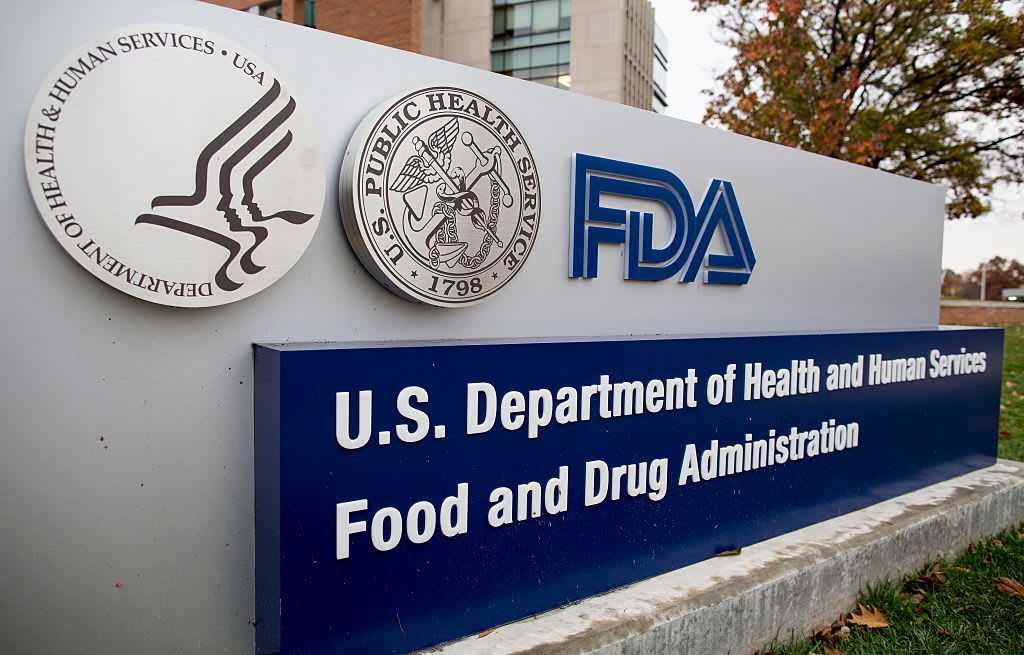
FDA gives the red flag to Pfizer& BioNTech’s vaccine for COVID-19 vaccination in U.S
A Food and Drug Administration (FDA) panel has given the emergency use of Covid-19 vaccine in U.S.The decision was taken for the emergency use of the COVID-19 vaccine by Pfizer and BioNTech.This will be considered as the final decision tby the team of experts. U.S Food and Drug Administration has given a red flag for Pfizer and BioNTech’s COVID-19 vaccine.
COVID-19 has infected more than 15.3 million Americans and killed 2,88,000 .The agency usually requires the six months of data for giving the approval and Pfizer has given just 2 months of safety data.
After getting the emergency authorisation the company is expected to ship 2.9 million in 21 days and more will produced as a second dose.
By Dr Lalit Kant
Recent news of the Haryana Health Minister who volunteered to be part of the Bharat Biotech’s COVID-19 vaccine (Covaxin) trial and tested positive for Coronavirus has put the spotlight on inactivated vaccines.
Amongst the vaccines likely to become available in India against Covid-19 early in 2021 is this indigenous vaccine being developed by Bharat Biotech International Limited, (BBIL), Hyderabad in collaboration with the Indian Council of Medical Research (ICMR), New Delhi. The candidate is an inactivated whole virion vaccine.
Most of the vaccine manufacturers based in Western countries are employing ‘smart’ and ‘sexy’ newer technologies to develop vaccines against SARS CoV-2 virus. Be it mRNA technology (Moderna and Pfizer/BioNTech) or genetically engineered adenoviruses (AstraZaneca/Oxford University and Russia’s Gamaleya Research Institute of Epidemiology and Microbiology). There are a few manufacturers notably in India, China, Kazakhstan which are pursuing an old, trusted, and time-tested approach to make a vaccine against new corona virus – using an inactivated/ killed virus. First tried successfully in 1930s, unlike the mRNA or the adeno virus carrier strategy, the inactivated approach has a solid track record. It has to its credit development of vaccines such as for influenza, cholera, plague, rabies, Hepatitis A, polio (IPV) etc. The vaccine efficacy of inactivated vaccines has traditionally been between 60 and 70%.
The approach of making an inactivated vaccine is remarkably simple. Isolate the virus from a sick/infected person, grow it in the lab, kill/inactivate it, purify, add an adjuvant, and the vaccine is ready! Its storage is also not a problem, temperature of the household refrigerator (+2 to +8°C) is all that is necessary. Refrigeration at sub-zero temperatures is not required. When injected in the humans, inactivated vaccines produce immunity. Because the virus is dead, they interact with the immune system differently. The immune response to live and newer vaccines is similar to encountering the virus itself resulting in development of humoral (antibodies) and cellular immunity (mediated by T lymphocytes). Inactivated vaccines produce antibodies but show little or no cellular immunity. Because killed or inactivated viruses can’t replicate, they tend to provide a shorter length of protection than live vaccines, and are more likely to require boosters to create long-term immunity. Adjuvants are added to trigger a strong immune response. However, adjuvants can cause more local reactions (such as redness, swelling, and pain at the injection site) and more systemic reactions (such as fever, chills and body aches) than non-adjuvanted vaccines. Traditionally aluminium based adjuvants like the aluminium hydroxide, aluminium phosphate have been used to trigger strong humoral immunity but little or no cellular immunity. Newer adjuvants are now available which help to even elicit cellular response and make the protection stronger and longer.
The inactivated approach offers some distinct advantages. The greatest one being that there is no risk of inducing the disease as the virus has been inactivated. The viruses can be rapidly grown in the lab and scaled up using well established infrastructure and methods. There are very few safety concerns. Inactivated vaccines are easy to store and transport as can be done in normal refrigerator temperatures. Because the whole virus is presented to the immune system, it is likely to target not only the spike protein of the SARS-CoV-2 but also the matrix, envelope and nucleoproteins. These vaccines therefore express a wide range of viral antigens. In general, two doses given at interval of 14 days can give antibody reaction in 4 weeks. On the down side, the inactivated vaccines produce mainly humoral immunity (antibodies), invariably require multiple doses, and often require an adjuvant. Corelates of protection afforded by inactivated vaccine are also not known as of now.
China produced the world’s earliest inactivated SARS CoV-2 candidate vaccines. Sinovac Life Sciences, Beijing developed CoronaVac, and the two branches of China National Biotec Group (CNBG) viz. Wuhan Institute of Biological Products and the Beijing Institute of Biological Products affiliated to the China National Paharmaceutical Group (Sinopharm) have developed ‘SARS-CoV-2’ vaccine and ‘BBIBP-CorV’ vaccine respectively. Though the Phase I and II studies in China were completed prior to August 2020, only recently have the findings been published in peer reviewed scientific journals. However, no data on Phase I and II of Bharat Biotech’s vaccine is available in public domain.
Results of studies in China indicate that the vaccines have a favourable safety profile – well tolerated with no vaccine related serious adverse events. The most common adverse reaction was site pain, followed by fever which was mild and self-limiting. The vaccines have been administered in two doses. Longer the interval between doses larger is the immune response – 28-day interval was better than 14 days. In general, the neutralizing antibodies have appeared nearly 2 weeks after the second dose. Younger individuals (18-39 years) show higher antibody response than in those between 39-59 years. Only one study has also included volunteers older than 60 years – the most vulnerable group for SARS-CoV-2. It is seen that the older people had lower rates of solicited adverse events than the younger group. In both age groups the vaccine was similarly immunogenic. 100% sero-conversion was reached earlier in groups 18-59 than in those over 60 years. Not only did the immune response take longer to develop in those over 60 years but antibodies levels were comparatively lower than in younger group. It has also been shown that neutralizing antibodies induced in a study cam neutralize multiple SARS CoV 2 strains – indicating the ability to protect against other strains as well.
Chinese regulators appear to be satisfied with the data of animal studies and the safety and immunogenicity data from Phase I and II trials. Both Sinovac and CNBG have received emergency use authorization in August 2020 to vaccinate populations outside the clinical trial. According to the CNBG, hundreds of thousands of people in China have received its vaccine – healthcare workers, pandemic prevention personnel, border inspection personnel and the like. According to CNBG it has not received any report of severe adverse reaction. And no infection has been reported from vaccinees working in high risk areas. UAE and Bahrain have also authorized emergency use of these vaccines in September 2020. It is being given to frontline health workers, teachers, police and customs officials.
The Bharat Biotech’s vaccine appear to have an advantage over the Chinese vaccines in its composition. Instead of using the traditional aluminium hydroxide as an adjuvant it is using one such adjuvant called Toll Like Receptor 7/8 (TLR-7/8). This known to enhance not only humoral but also cellular immune responses. The inactivated vaccine formulation containing TLR7/8 agonist adjuvant was used in pre-clinical/ animal studies in Hyderabad. It has shown to induce Th1 biased antibody responses with elevated IgG2a/IgG1 ratio and increased levels of SARS-CoV-2 specific IFN-γ+ CD4 T lymphocyte response.
Clinical trials Phase III with inactivated SARS-CoV-2 have started for the three Chinese and the one Indian vaccine. The CNBG vaccines are undergoing trials in Egypt, Jordan, UAE, Peru, Argentina and Morocco. While the Sinovac is being tested in Brazil, Indonesia, and Turkey. The earliest trials were started in July 2020. Many of them would be nearing completion. The BBIL trial involving 26,000 volunteers was started in India in November 2020. The results of the Phase III trials of CNBG vaccines are expected any time now, and are likely to provide information on whether this vaccine is safe and efficacious against Covid-19 infection, and for how long the protective effect is maintained. The Bharat Biotech’s vaccine would also give information to know whether its vaccine is capable of inducing and maintaining virus specific T-cell responses which are crucial for viral clearance if neutralizing antibody-mediated protection is incomplete.
It is not known whether the Haryana Minister received the placebo or the vaccine, since it is a double-blind trial. Even if he received the candidate vaccine, he got only the first dose. The trial vaccine can offer protection only two weeks after the second dose.
The writer is Dr Lalit Kant MD infectious diseases and epidemiologist
Challenges for kidney health during the COVID pandemic: A Nephrologist’s Perspective
By Dr Sandeep Mahajan & Dr Arun
Our knowledge about the novel coronavirus disease (COVID) has been evolving ever since the World Health Organization (WHO) declared the COVID-19 outbreak as a pandemic on 11th March, 2020. Although virtually any person can get infected with COVID, it is clear from available data that, if infected, people with pre-existing medical conditions such as diabetes, heart disease and kidney disease are more likely to have a severe disease manifestation and are prone to develop complications. Among these the patients suffering from kidney disease face unique challenges, but unfortunately are a neglected sub-group.
Patients suffering from end stage kidney disease, who are on hemodialysis compulsorily have to commute to the dialysis center or hospital, two to three times a week, exposing these high-risk individuals to other patients and healthcare team thereby increasing the risk of contracting infection. Because of this risk, it is our responsibility to prevent COVID outbreaks in the hemodialysis units. For this purpose, we have initiated newer protocols such as screening of patients before entering the units, restriction of visitor’s entry, avoiding crowding of dialysis waiting areas, ensuring physical distancing between the patients and universal use of face mask inside the unit. Besides these the heath care professionals have to be in Personal Protective Equipment (PPE) kits and their duties have to be adjusted to have buffer staff ready in case of inadvertent COVID exposure. Kidney patients often do not present with conventional symptoms with absence of fever in most patients and therefore a high index of suspicion is required to detect infection early in these patients. In spite of all these precautions, outbreaks have been reported in the dialysis units all over the world, highlighting the risks and challenges we face in these uncertain times.
Kidney transplant patients are more likely to have complications of COVID as they are on immune-suppressive drugs and have shown to have much worser outcomes as compared to general public. Also, the frequency of hospital outpatient visits have reduced with at times difficulty in procuring life-saving drugs which has affected this group of patients adversely. Transplant patients should continue their drugs as always and contact a healthcare provider if there is any need as before.
Patients admitted with COVID, especially those with co-morbid illnesses, may develop renal complications (even with no prior renal disease) during the course of their illness. Hence, a thorough evaluation with proper management strategy is essential to treat kidney complications in hospitalized patients. The long-term effect of COVID on renal function is still unknown, though from previous experiences, we expect the kidney functions to recover over time. While managing COVID infection in these high-risk patients there are no proven guidelines at present but there is some experience suggesting that treatment strategies do not change in those with and without kidney disease, albeit with some dose modifications.
While stressing the importance of social distancing, it is also imperative to understand that patients with kidney disease should not stay away from hospitals and doctors in times of need. Routine care can be provided by teleconsultation and home-monitoring of tests. Complex issues should be dealt with in the hospital or nursing home, in the hands of experienced physicians to avoid any complications.
COVID 19 pandemic has brought unique challenges to kidney patients and current Nephrology practice necessitating changes in the standard of care. It has adversely affected the transplant programs and has increased the burden on the dialysis units with more patients requiring dialytic support on an already saturated system. At the same time loss of follow-up has adversely affected routine patient care. The promise of a successful protective vaccine with preliminary favorable results from Pfizer, Moderna, AstraZeneca and Bharat Biotech shows promise and instils hope to mankind worldwide.
The writer is Dr Sandeep Mahajan, Nephrologist and Dr Arun at AIIMS.