


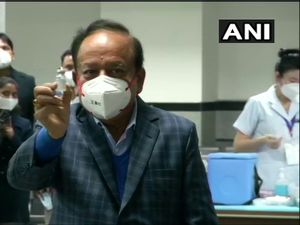
New Delhi- India vaccinated 25 States/UT’s on the third of the vaccination drive for Covid-19. The maximum number of people vaccinated in the state is Karnataka 36,888.
A total of 3,81,305 beneficiaries has been vaccinated till January 18, in 7,704 sessions as per the data given by the Union Ministry of Health and Family Welfare. The beneficiaries vaccinated till 5 pm that crossed more than 1,48,266 numbers. The Adverse Event Following Immunization (AEFI) reported are 580 cases in three days. Out of these, seven have required hospitalization and the three cases amongst them are from Delhi, two have been discharged whereas one case with reporting fainting is under observation at Max Hospital, Patparganj.

The Director of the World Health Organization (WHO) said that the World was on the brink of a “catastrophic moral failure” on distributing Covid-19 vaccines, he urged the countries and manufacturers to share doses fairly around the World.
He also said that developing a vaccine in one year is a big achievement and a much-needed source of hope.
He noted 44 bilateral deals were signed last year and at least 12 have already been signed this year. The Covax is ready deliver for what it has been created for, the promise of equitable distribution is at serious risk. but now we have faced the real danger that even vaccine brings hope to some they bring another break in the world inequality between the worlds have and haven’t.
He also said just 25 doses have been given in one lowest income country.
“The world is at a brink of catastrophic moral failure and the price of this price of this failure will paid by the lives and livelihood of the poorest countries.” He said
Tedros cited as an example of inequality that more than 39 million doses of vaccine have been administered in 49 higher-income countries whereas just 25 doses had been given in one poor country.
By Prof (Dr.) Sundeep Mishra
Normally we would expect the blood pressure measured at both right and left arms to be equal or mean difference≤ 5 mm Hg and 4 mm Hg for systolic and diastolic blood pressure, respectively. However, about 20% of patients visiting their doctors have a difference ≥10 mm Hg and 4% have a difference of 20 mm Hg or more. This kind of difference is unlikely to be normal and could be seen in congenital heart disease, aortic dissection, peripheral vascular disease, and unilateral neuromuscular abnormalities. However, in small number of cases no obvious cause could be found and it is considered normal. However, this condition may not be completely normal; rather it could be a marker of atherosclerosis, particularly peripheral vascular disease. Moreover, extensive data shows an association between peripheral vascular disease of the lower extremities and both all cause mortality and mortality from cardiovascular disease. Thus, existence of peripheral vascular disease of lower extremity could be a double whammy for the patient.
What about blood pressure difference in upper extremity?
In a recent meta-analysis published in British Medical Journal Clark and colleagues found that a between arm blood pressure difference of ≥15 mm Hg was associated with peripheral vascular disease and with cerebrovascular disease but not with coronary artery disease. On the other hand, a difference of 10 mm Hg or more was associated only with peripheral vascular disease . Another prospective study of 1872 subjects in United States revealed that a between arm systolic blood pressure difference of ≥15 mm Hg not only suggested presence of peripheral vascular disease but was also associated with a modest increase in all cause mortality and mortality from cardiovascular disease in those diagnosed with peripheral vascular disease. Furthermore, a linked study on 230 adults with hypertension conducted United Kingdom found that a difference of ≥15 mm Hg was increased all cause mortality by 60% and mortality from cardiovascular disease by 70%.
Take home messages from these studies
1. As recommended by current hypertension guidelines, bilateral blood pressure measurements should be done routinely to avoid delayed diagnosis or under-treatment of hypertension. On the basis of available evidence and practicality, a sequential measurement, followed by confirmation with at least two simultaneous measurements using two automatic devices seems to be a reasonable approach.
2. If the difference is ≥10 mm Hg on repeated simultaneous measurements, the possibility of peripheral vascular disease of the upper extremities is high and further diagnostic evaluation is necessary, especially in people with risk factors for cardiovascular disease. Subsequently blood pressure monitoring should be performed in the arm with the higher readings.
3. If, however, no cause can be found for the blood pressure difference, these patients should be treated as normal.
The writer is the Prof (Dr.) Sundeep Mishra, Department of Cardiology, AIIMS, New Delhi.
India has vaccinated more than 17,000 beneficiaries in a single day during vaccination drive in 6 States, the Ministry said. The total number of people vaccinated so far in two days is more than 2.24 lakh.
On first day of vaccination drive it was conducted on 3000 centres across the country.
The Ministry has also confirmed about the 447 AEFIs cases from all over the country of which only 3 persons got admitted after getting a vaccination. The two amongst them have been discharged and one is from AIIMS Rishikesh he has been kept under observation.
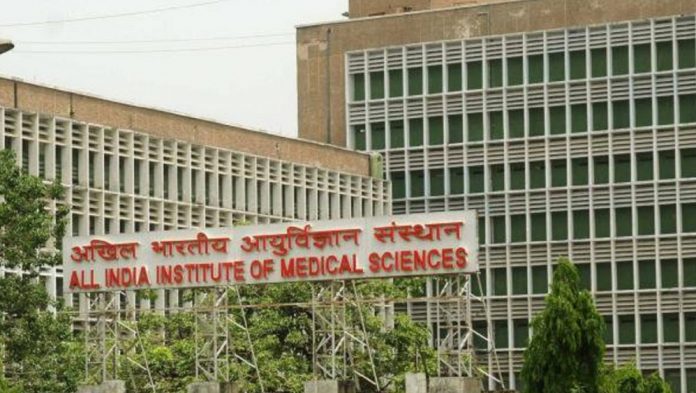
A 20-year-old man who works at AIIMS has reported a severe allergic reaction after getting a vaccination for coronavirus. But he is now stable and kept under observation.
“An AIIMS security guard has developed an allergic reaction after receiving COVID19 vaccination here today. He is kept under observation of doctors at the hospital,” an AIIMS official said.
Overall in Delhi nearly 51 cases have been reported of allergic reactions like swelling, rashes at the site of injection.
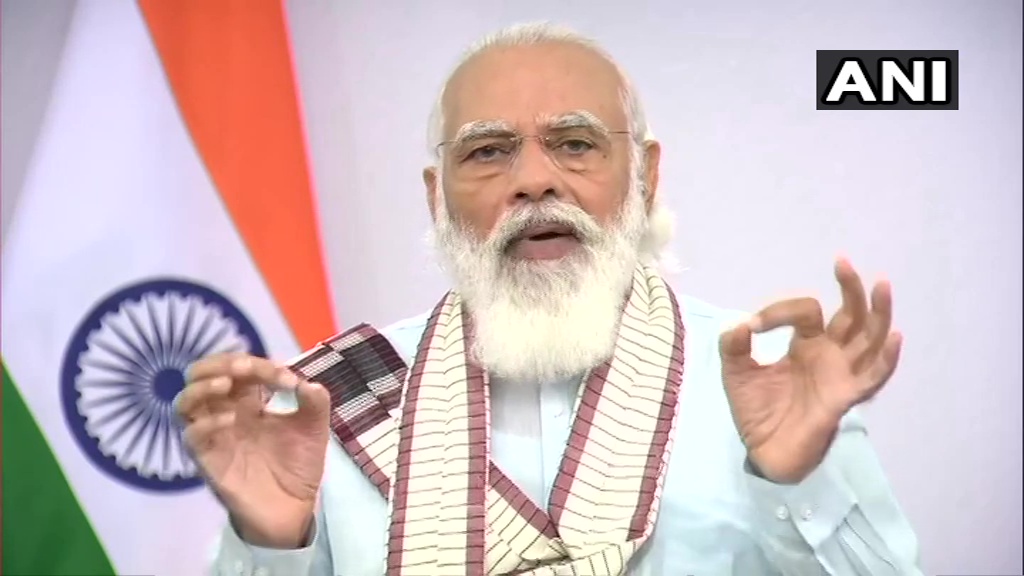
The nationwide vaccination drive is the largest vaccination rollout in the world launched by Prime Minister Narendra Modi. In a single day, India vaccinated 1,91,181 beneficiaries, these session held at 3,352 sites.
No case of Post – vaccination Hospitalization reported so far.
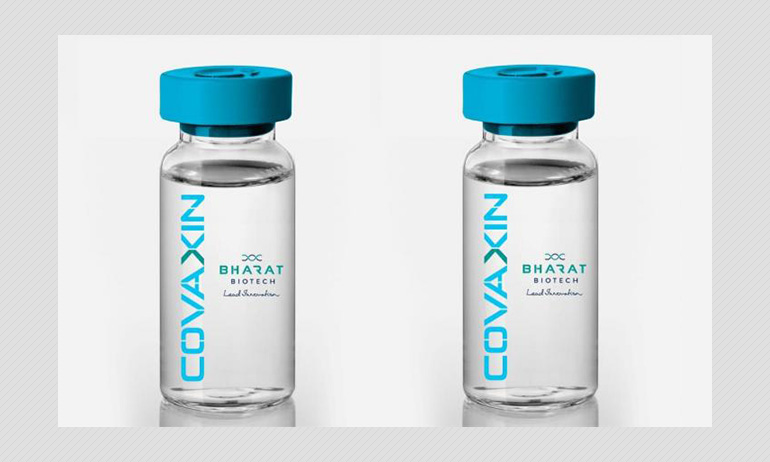
The two made in India vaccines given to Healthcare workers and those who are involved in work which has chances of the high risk of coronavirus infection Covishield and Covaxin.While launching the vaccine drive Prime Minister Narendra Modi said that people should not fall over propaganda over vaccines,” The Drugs Controller General of India have approval after they were satisfied with the data of the two vaccines. So stay away from rumours.”

Essentials for India’s COVID-19 vaccination drive
The COVID-19 vaccination is only for 18 years and above.
The vaccine will be given in interval of at least 14 days.
Interchangeability of COVID-19 Vaccines is not permitted, Second dose should also be of same COVID-19 vaccine which was administered as the first dose.
Persons with history of Anaphylactic or allergic reaction to a previous dose of COVID-19 vaccine
Pregnant and lactating women have not been part of any COVID-19 Vaccine so far.
The conditions COVID vaccination is to be deferred for 4-8 weeks after recovery
Persons who have active symptoms of SARS-CoV-2 infection
SARS-COV-2 patients who have been given anti SARS-CoV-2 monoclonal antibodies or convalescent plasma
Patients who are acutely unwell and hospitalized.
SPECIAL PRECAUTIONS
The patients who have history of any blood clotting , coagulation disorder or platelate problem on such cases vaccine will be administered carefully.