Today PM will interact with leading doctors from across the country via VC on the COVID-19 situation at 4:30pm.
At 6pm, PM will hold a VC with top pharma companies in the country.



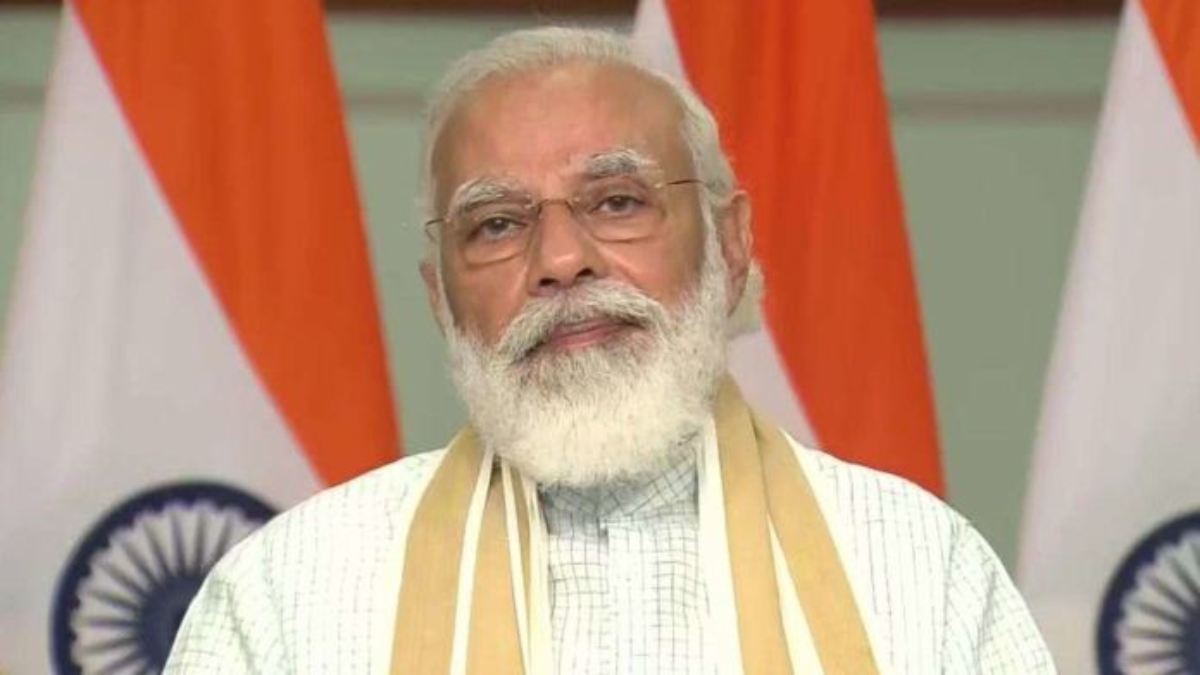
Today PM will interact with leading doctors from across the country via VC on the COVID-19 situation at 4:30pm.
At 6pm, PM will hold a VC with top pharma companies in the country.

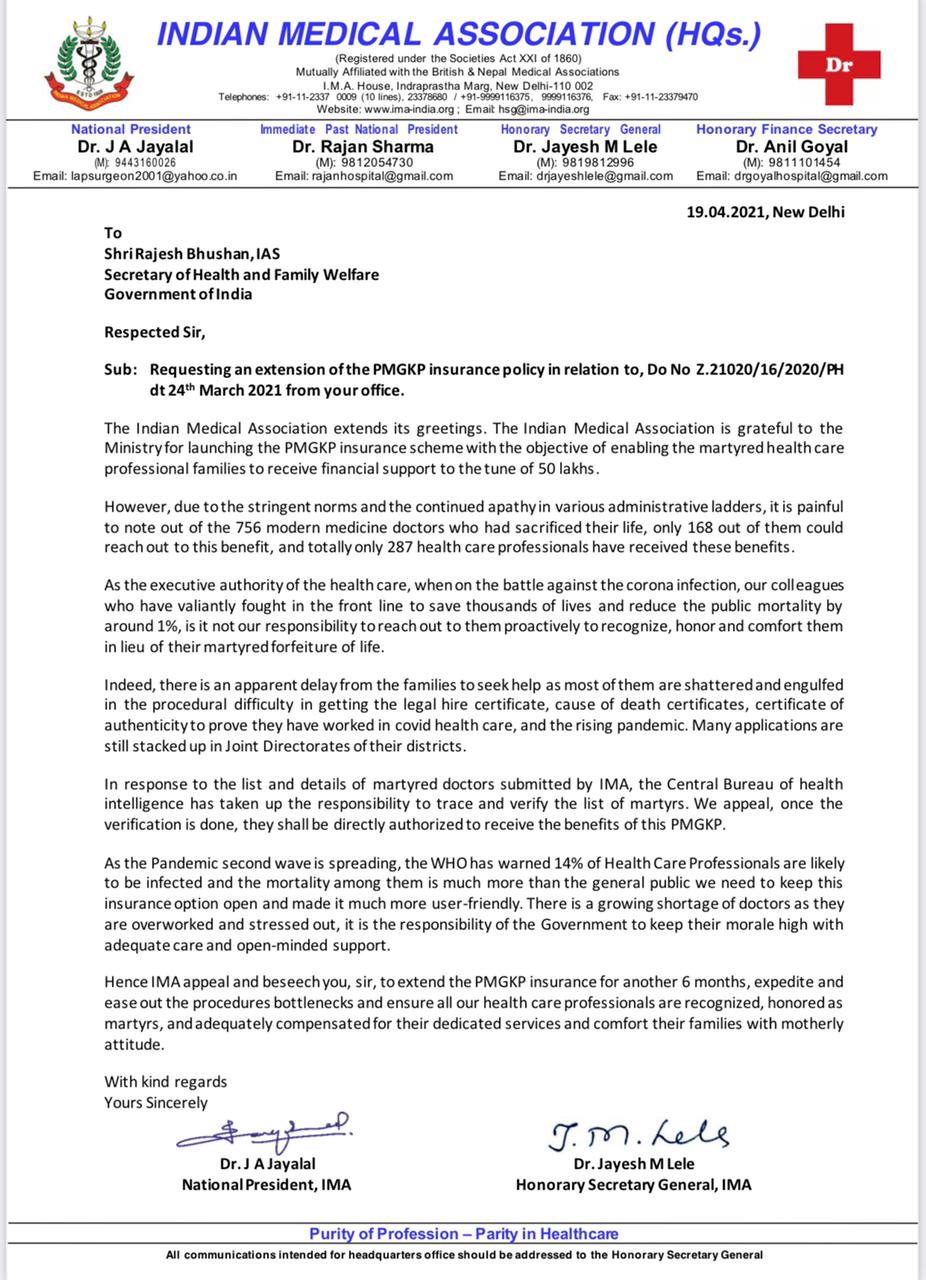
Indian Medical Association has written a letter to the Government of India to extend the PMGKP insurance scheme with the objective of enabling the martyred healthcare professional families to receive financial support to the tune of 50 lakhs.
“As the Pandemic second wave is spreading, the WHO has warned 14% of Health Care professionals are likely to be infected and the mortality among them is much more than the general public we need to keep this insurance option open and made it much more user-friendly,” the letter said.
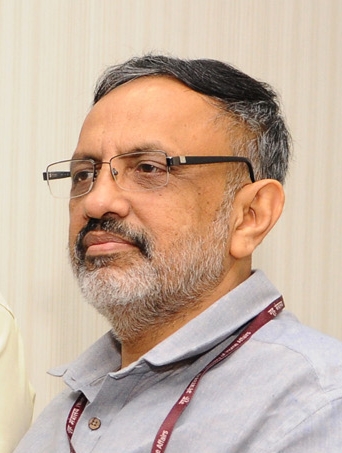
Cabinet Secretary convenes a video conference on the issue of Medical Oxygen with Chief Secretaries and senior officials of 11 states/UTs of MAharshtra, Madhya Pradesh, Gujarat, Rajasthan, Chhattisgarh, Uttar Pradesh, Andhra Pradesh, Telangana, Tamil Nadu, Karnataka and Delhi.
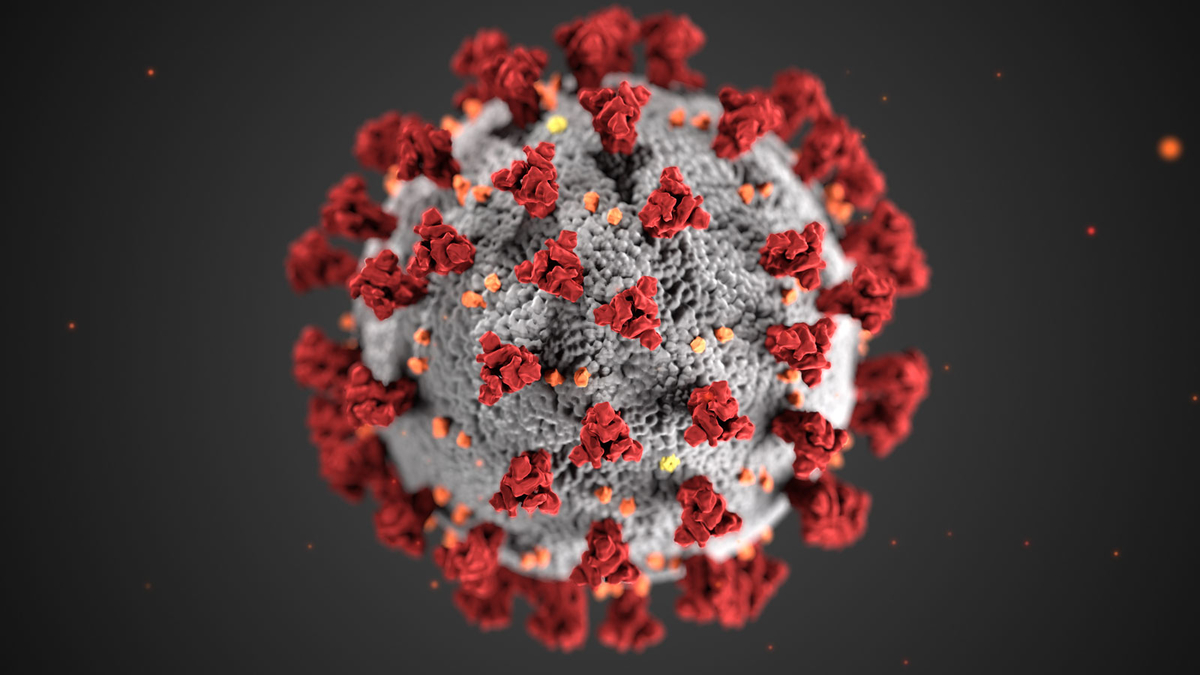
British Health officials are investigating Covid-19 variant originating in India but as yet they have enough evidence to classify it is as a variant of concern, Susan Hopkins of Public Health England (PHE) said on Sunday.
PHE has said it has identified 77 cases of the variant in Britain.

Madhya Pradesh: A hospital ward boy hospital tried to rape a 50-year-old patient admitted at a COVID care centre set up in a hotel in Gwalior on Saturday, police said.
The victim told that the ward boy tried to sexually assault her twice during the intervening night of Saturday and Sunday but fled after her family members raised an alarm, Additional Superintendent of Police (ASP) Hitika Vasal said.
The victim’s brother-in-law alleged the hospital staff had helped the ward boy flee.
The ward boy has been arrested and a case has been registered at Kampu police station.
Former Prime Minister Manmohan Singh wrote a letter to Prime Minister Narendra Modi on Sunday suggesting five ways to fight the pandemic stressing that the expansion of Covid vaccination programme forms a big part of the pandemic management and we resist the temptation to look at absolute numbers vaccinated and instead focus on percentage of population vaccinated.
The five-point remedy are as below:
The government should publicise what are the firm orders for doses placed on different vaccine producers and accepted for delivery over the next six months. If we want to vaccinate a target number in this period, we should place enough orders in advance so that producers can adhere to an agreed schedule of supply,” Manmohan Singh said.
The government should indicate how this expected supply will be distributed across states based on a transparent formula. The central government could retain 10 per cent for distribution based on emergency needs, but other than that, states should have a clear signal of likely availability so that they can plan their roll out,” he said.
Manmohan suggested that the Centre should allow state governments some freedom to define frontline workers, who can be vaccinated even if they are under the age of 45.
“For example, states may want to designate school teachers, bus, three-wheeler and taxi drivers, municipal and panchayat staff, and possibly lawyers who have to attend Courts as frontline workers. They can then be vaccinated even if they are below 45,” he suggested.
He suggested that the centre must proactively support vaccine producers to expand their manufacturing facilities quickly by providing funds and other concessions.
“I believe this is the time to invoke the compulsory licensing provisions in the law, so that a number of companies are able to produce the vaccines under a license. This, I recall, had happened earlier in the case of medicines to deal with the HIV/AIDS disease,” he said.
“Since domestic supplies are limited, any vaccine that has been cleared for use by credible authorities such as the European Medical Agency or the USFDA, should be allowed to be imprted without insisting on domestic bridging trials,” he said.

The most important ways to reduce risk of a heart infection called infective endocarditis caused by bacteria in the mouth, can be prevented by good oral hygiene and regular dental care. There are four categories of heart patients considered to be at highest risk for adverse outcomes from infective endocarditis, and only these patients are recommended to receive preventive antibiotic treatment prior to scientific procedures.
Taking care of oral health is more important than use of antibiotics in dental procedures for some heart patients to prevent a heart infection caused by bacteria around the teeth according to a new American Heart Association (AHA).
Infective endocarditis (IE), also called bacterial endocarditis, is a heart infection caused by bacteria that enter the bloodstream and settle in the heart lining, a heart valve or a blood vessel. It is uncommon, but people with heart valve disease or previous valve surgery, congenital heart disease or recurrent infective endocarditis have a greater risk of complications if they develop IE. Intravenous drug use also increases risk for IE. Viridans group streptococcal infective endocarditis (VGS IE) is caused by bacteria that collect in plaque on the tooth surface and cause inflammation and swelling of the gums. There’s been concern that certain dental procedures may increase the risk of developing VGS IE in vulnerable patients.
The new guidance affirms previous recommendations that only four categories of heart patients should be prescribed antibiotics prior to certain dental procedures to prevent VGS IE due to their higher risk for complications from the infection:
Those with prosthetic heart valves or prosthetic material used for valve repair;
Those who have had a previous case of infective endocarditis;
Adults and children with congenital heart disease; or
People who have undergone a heart transplant.
“Scientific data since the 2007 AHA guidelines support the view that limited use of preventive antibiotics for dental procedures hasn’t increased cases of endocarditis and is an important step at combating antibiotic overuse in the population,” said Walter R. Wilson, M.D., chair of the statement writing group and a consultant for the Division of Infectious Diseases, Department of Internal Medicine at Mayo Clinic in Rochester, Minn.
It has been over a decade since recommendations for preventing infective endocarditis were updated amid concerns of antibiotic resistance due to overprescribing. The American Heart Association’s 2007 guidelines, which presented the biggest shift in recommendations from the Association on the prevention of infective endocarditis in more than 50 years, more tightly defined which patients should receive preventive antibiotics before certain dental procedures to the four high-risk categories. This change resulted in about 90% fewer patients requiring antibiotics.
The scientific statement writing group reviewed data on VGS IE since the 2007 guidelines to determine if the guidelines had been accepted and followed, whether cases of and mortality due to VGS IE have increased or decreased, and if the guidance might need to be adjusted.
The writing committee reports their extensive review of related research found:
There was good general awareness of the changes in the 2007 guidelines, however, adherence to the guidelines was variable. There was about a 20% overall reduction in prescribing preventive antibiotics among high-risk patients, a 64% decrease among moderate-risk patients, and a 52% decrease in those patients at low- or unknown-risk.
In a survey of 5,500 dentists in the U.S., 70% reported prescribing preventive antibiotics to patients even though the guidelines no longer recommend it, and this was most often for patients with mitral valve prolapse and five other cardiac conditions. The dentists reported that about 60% of the time the antibiotic regimen was recommended by the patient’s physician, and 1/3 of the time was according to patient preference.
Since the stricter 2007 antibiotic guidelines, there is no convincing evidence of an increase in cases of VGS IE or increased mortality due to VGS IE.
The writing group supports the 2007 recommendation that only the highest risk groups of patients receive antibiotics prior to certain dental procedures to help prevent VGS IE.
In the presence of poor oral hygiene and gingival disease, VGS IE is far more likely to develop from bacteria attributable to routine daily activities such as toothbrushing than from a dental procedure.
Maintenance of good oral hygiene and regular access to dental care are considered as important in preventing VGS IE as taking antibiotics before certain dental procedures.
It is important to connect patients with services to facilitate access to dental care and assistance with insurance for dental coverage, especially in those patients at high risk for VGS IE.
It is still appropriate to follow the recommendation to use preventive antibiotics with high-risk patients undergoing dental procedures that involve manipulation of the gum tissue or infected areas of the teeth, or perforation of the membrane lining the mouth.
The scientific statement was prepared by the volunteer writing committee on behalf of the American Heart Association’s Young Hearts Rheumatic Fever, Endocarditis and Kawasaki Disease Committee; the Council on Lifelong Congenital Heart Disease and Heart Health in the Young; the Council on Cardiovascular and Stroke Nursing; and the Council on Quality of Care and Outcomes Research.
There is no substitute for ‘test, track and treat”, said PM Modi in a review meeting with top government officials on Saturday and called for utilization of “entire national capacity” to ramp up vaccine production.
All necessary measures must be taken to make available the hospital beds for Covid patients and speeding up the installation of approved medical oxygen plants, PM said on shortage of hospital beds and oxygen cylinders.
“Various aspects relating to medicines, oxygen, ventilators, vaccination discussed at PM’s review meet over COVID-19 situation,” PTI quoted the government as saying.
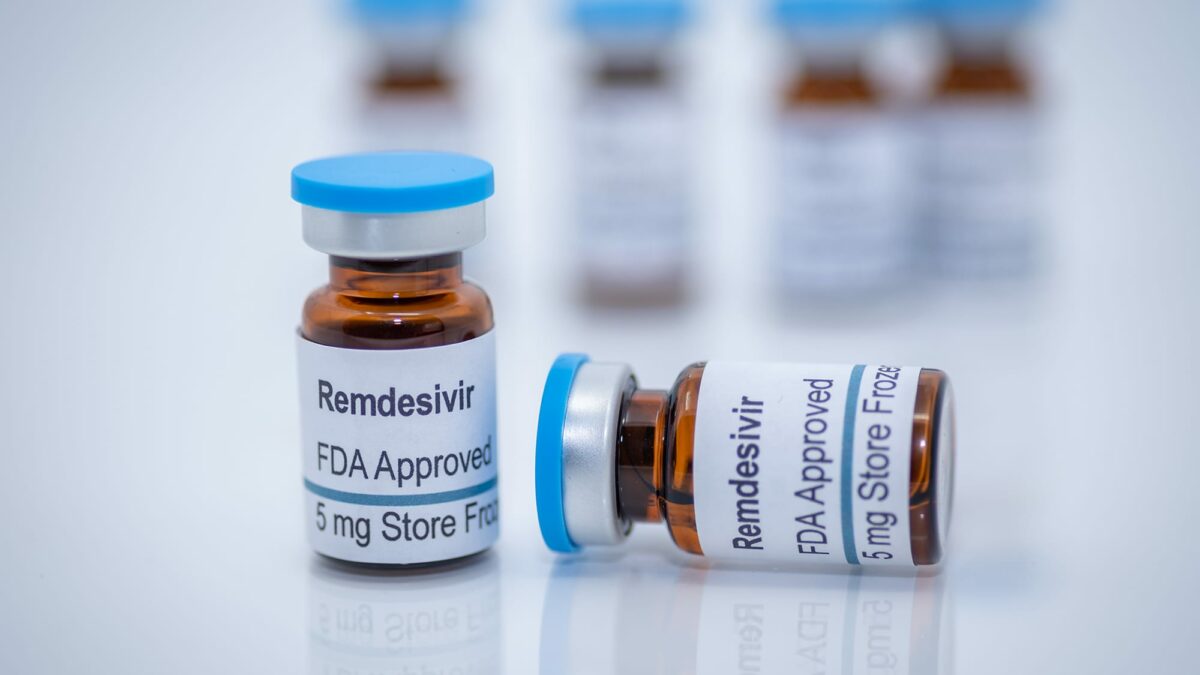
About 800 injections of Remdesivir were stolen from the state-run Hamidia hospital of Bhopal on Saturday. At a time, when deaths are occurring due to shortage of Remdesivir injections, the huge stock of injections was found missing from the store room of the hospital.
The injections were supplied to the hospital by administration on Friday. The hospital administration had stored the stock for use. However, on Saturday morning when a team of doctors looked for vials to administer them to patients, the box was found missing.
Later, the Hamidia administration carried out searches inside the compound but to no avail. The shortage of Remdesivir had made headlines and recently these injections were sent to Bhopal and other districts.
“17 boxes of Remdesivir have been stolen. One box contains 48 injections & only a few of the boxes were open. An FIR has been registered,” says ASP Ramsnehi Mishra.
Living with a bleeding disorder during a pandemic, is one of the biggest challenge.
Athul was born with haemophilia, a rare genetic bleeding disorder in which the blood doesn’t clot properly. When I ask Athul about his experience dealing with his bleeding disorder in the past year, especially with the fear of catching covid, he tells me that he is currently in quarantine having caught covid.
When I ask him how he hopes to manage, he responds with a spirit higher than I’d imagine anyone in that position having, and says “just be more careful not to get hurt.”
17 April is observed as World Haemophilia Day, and in light of it, FIT speaks to haemophiliacs about what the pandemic has been like for them, and how their ‘blood brothers’ can better manage their bleeds when in isolation.
Haemophilia runs in Athul’s family, and so he was tested and diagnosed as an infant. His sister, Dr Anupama Pattiyeri, too, is a haemophiliac, but it would be a many more years before she was diagnosed.
Imagine you stub your toe, bang your knee against the bed post, or accidentally slice your finger while chopping vegetables.Now imagine your body can’t clot the bleeding. You need your medicine, you need medical assistance. But you’re alone, and there’s a pandemic going on outside.
This was the reality of many who live with haemophilia, back in April 2020.And it continues to be so in April 2021.
‘Be Careful, and Hope for the Best’
Speaking to FIT, Athul says this isn’t the first time he’s had to self-quarantine. He’s been through this a couple of times before.
“Normally I’ve had a friend get me my medicines or run errands for me, but now that I have tested positive, I’ll have to be a little more careful, because right now I can’t just go get help if I need,” he says.
“When you have corona, people will be afraid to come to you. It doesn’t matter how much money you have.”
Athul usually has a stock of his medicine, clotting factor concentrate (CFC), and an infusion kit ready to go.The trouble is that if his right hand gets hurt, self infusion can become tricky.
“At these times I would need my friend’s help. Right now, I’m just trying to protect my right arm till the quarantine period. I can’t afford to hurt it.”
Athul
R Sathyanarayanan, the secretary of the Chennai chapter of the Haemophilia Federation (India), who himself has severe haemophilia, also talks about the trouble the pandemic has posed for them.
“We requested the government to give us special permission cards that we could show at hospitals if we need emergency care during the pandemic,” he says.
Managing Haemophilia When You’re Alone
This time, Athul’s parents—who have also tested positive—are quarantining in the same house as him.But he talks of a previous COVID scare a few months ago when he wasn’t so fortunate, and had to spend weeks completely by himself, alone in a room.
“Most haemophiliacs are very dependant on others for help, but I think corona has taught us to be more self reliant,” he says.
Athul
When asked about how he managed his bleeds alone, in true millennial fashion, Athul answers, ‘with the help of the internet.’
“I would say Wi-Fi saved me,” he laughs. “ I had pain in my leg at that time. I checked out YouTube videos and also video-called a couple of doctors to find out about what I could do, and what exercises would help.”
“When we exercise, we should only do low weight, low intensity exercises with repetition,” explains Athul. “And always have an ice pack ready.”
R. Sathyanarayanan also emphasises on the importance of physical exercise and physiotherapy.
“Factor is not the only option of treatment. While Factor is crucial, there are also different forms of therapy that can help too, and it is up to us to be creative and figure out what helps us, especially when it comes to managing the pain,” he adds.
“The funny thing is that I barely ever need to use the medicine. But I always need to have it. Just knowing that the medicine is there in the fridge incase I need it is what gives me the confidence to go about my day.”
Athul
‘You can’t make others comfortable until you are comfortable.’
Sathyanarayanan has been dedicated for years now, to the cause of helping people with haemophilia and their caregivers understand and manage the condition to the best of their ability.
“One thing that haemophiliacs need to be very careful of are spontaneous bleeding episodes,” he says.
“When I go to bed at night, I might be normal. But sometimes, I end up waking up to swelling and bleeding in my joint. This happens without any apparent cause of injury.”
R. Sathyanarayanan, Secretary of Hemophila Federation (India), Chennai Chapter
When this happens icepack and crepe bandage can help control the swelling and bleeding. Of course there’s also CFCs.
But, how easily people with haemophilia are able to access these medicines depends entirely on the governments of their respective states.
Access to Medication
“Over the last few years, we have witnessed a revolution in terms of services available for haemophilia in our country especially through the public sector, says Dr Nita Radhakrishnan, Associate Professor and HOD, Department of Paediatric Haematology-Oncology at Super Speciality Paediatric Hospital, Noida.
“Patients can access free of cost clotting factor concentrates through medical colleges and district hospitals in most states of India.”
Dr Nita Radhakrishnan, Associate Professor and HOD, Department of Paediatric Haematology-Oncology at Super Specialty Paediatric Hospital, Noida.Athul and Dr Anupama also speak of the Kerala government’s Karunya Scheme that lets people with haemophilia get these life-saving medicines for free.
Dr. Anupama goes on to talk about how these medicines have been available to them throughout the pandemic, with some centres even willing to deliver to their homes.
“But this is just the beginning of a mammoth task ahead,” says Dr Radhakrishnan.
Sathyanarayanan agrees, saying that the haemophilia federation have not only been advocating for awareness and better treatment for haemophilics, but the uniform availability of these treatments for all, under the umbrella of, one country, one treatment. During the pandemic, Sathyanarayanan and his team have been to deliver medicines and kits to haemophilics around the city, and making them available in decentralised locations.
Mind over Matter
“90 percent of your bleeds come from your mind,” he adds, speaking of the impact that one’s mental state can have on the bleeds. “As soon as you realise you’re out of medicine, and that you don’t have any way to get the medicine in the current situation, your mind will start worrying about getting bleeds, and the bleeds automatically increase.”
Sathyanarayanan agrees, saying “until and unless you are mentally fit, you cannot be physically fit.”
“You have to motivate yourself, and force yourself to relax. If you feel overwhelmed, its best to call someone who can guide you through it.”
R. Sathyanarayanan, Secretary, Hemophilia Federation (India), Chennai chapter
Athul, too, speaks of how his mental state can trigger a bleed. “Whenever I have an exam, I will have a bleed or another because my mind will be in a flustered state.”
“Don’t let your mind be idle,” says Sathyanarayanan.
Where your anxiety and stress are high for whatever reason, he also advises taking some prophylactic factor.
“During those crucial times, if you have medicine at home, taking a very small dose of it as a profelactic can heally help give you a peace of mind.”
R. Sathyanarayanan, Secretary, Hemophilia Federation (India), Chennai chapter
Dr M B Agarwal, MD, President – Mumbai Haematology Group Prof & Head, Dept of Haematology, Consultant, Lilavati Hospital & Breach Candy Hospital, Mumbai, “Patients with severe haemophilia can use prophylaxis, to sustain enough clotting factor in their bloodstream to avoid future bleeds.”
“It helps in minimizing the risk of bleeding and delaying joint damage reduces,” he explains.
Alone, but Together
It isn’t just physical stress, living with haemophilia can take its toll on the soundest of minds, not to mention the minds of worried and overwhelmed parents.
This is also perhaps why the community is so close knit.
R Sathyanarayanan constantly refers to other haemophiliacs as his ‘blood brothers’, and how important it is for older experienced members to guide the younger ones.
He also talks about how in some ways the pandemic has been a blessing in disguise, ironically bringing their community closer together even as they maintained physical distance.
It took some time for people to get used to Zoom calls and virtual meetings, but once they did, it’s been really great. They constantly called each other, sometimes even while cooking in the kitchen, just to keep each other company.”
R. Sathyanarayanan, Secretary, Hemophilia Federation (India), Chennai chapter
Sathyanarayanan speaks of parents of haemophiliac children in particular who were virtually able to strengthen their support system during this pandemic.
“They would have Zoom meetings every Saturday evening and uprise the others of everything that happened during the week. They would share their concerns, their experiences and their advise.”