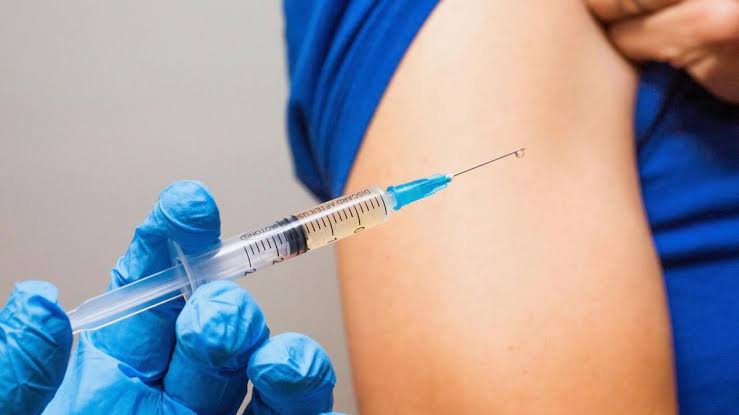

The booster dose is being given six months after the trial participant received the second dose of the vaccine. The efficacy of the two doses of the vaccine is likely to last at least nine months, and the booster dose is expected to increase the immune response further.
Uncategorized
Sun Pharma has been granted exclusive rights to market Winlevi acne cream in the United States and Canada
Sun Pharma and Cassiopea SpA, a speciality pharma company, announced the completion of their exclusive licence and supply agreements for Winlevi cream, which is used to treat acne vulgaris in patients aged 12 and up.
According to a joint statement, the agreements will take effect on August 31, 2021.
Sun Pharma now has the exclusive right to commercialise Winlevi in the US and Canada. Cassiopea will be the exclusive supplier of the product, which is expected to be available in the US in the fourth quarter of 2021, it added.
Sun Pharma, North America CEO Abhay Gandhi said the expiration of the applicable waiting period under the US Hart-Scott-Rodino Antitrust Improvements Act of 1976 (HSR Act) clears the path for making Winlevi available to patients and healthcare providers in the US and Canada.
“With Winlevi, a unique product with a new mechanism of action for the topical treatment of acne vulgaris, we have further expanded our basket of innovative products to serve patients better,” he added.
The US Food and Drug Administration (USFDA) approved Winlevi (clascoterone cream 1 percent) in August 2020 for the topical treatment of acne vulgaris in patients 12 years and older, the statement said.
“We are very pleased that Winlevi will soon be widely available to dermatology healthcare providers and their patients in the US and Canada, benefiting from Sun Pharma’s strong established dermatology presence,” Cassiopea SpA CEO Diana Harbort said.
This transaction now allows Cassiopea to focus on its innovative dermatology pipeline, she added.
“We are very pleased that Winlevi will soon be widely available to dermatology healthcare providers and their patients in the US and Canada, benefiting from Sun Pharma’s strong established dermatology presence,” Cassiopea SpA CEO Diana Harbort said.
This transaction now allows Cassiopea to focus on its innovative dermatology pipeline, she added.
Shares of Sun Pharmaceutical Industries were trading at Rs 793.50 per scrip on BSE, up 0.88 percent from its previous close.
As a result of the discovery of foreign substances, Japan has withdrawn 1 million more Moderna shots
Moderna Inc’s COVID-19 vaccine contamination concerns in Japan have gotten worse, with another million doses being temporarily halted after foreign chemicals were discovered in further batches and two people died after receiving shots from contaminated lots.
The suspension of Moderna supplies, which affects over 2.6 million people, comes as Japan confronts its biggest COVID-19 outbreak yet, driven by the infectious Delta strain, with new daily infections reaching 25,000 for the first time this month, despite a delayed vaccine deployment.
The latest reports of vaccine contamination came from Gunma prefecture near Tokyo and the southern prefecture of Okinawa, prompting the suspension on Sunday of two more lots in addition to the 1.63 million doses already pulled last week.
A tiny black substance was found in a Moderna vaccine vial in Gunma, an official from the prefecture said, while in Okinawa, black substances were spotted in syringes and a vial, and pink material was found in a different syringe.
Japan’s health ministry said some of the incidents may have been due needles being incorrectly inserted into vials, breaking off bits of the rubber stopper. Other vials from the lots can continue to be used, the ministry said on Monday.
The contamination cases followed a government report on Saturday that two people died after receiving Moderna shots that were among lots later suspended.
The government had said that no safety or efficacy issues had been identified and that the suspension was a precaution. The causes of death are being investigated.
“It is unlikely, in my opinion, that contamination of foreign substances led directly to sudden deaths,” said Takahiro Kinoshita, a physician and vice chair of Cov-Navi, a vaccine information group.
“If the contaminated substances were dangerous enough to cause death for some people, probably many more people would have suffered from some symptoms after the vaccination.
Hyderabad: Only if a new and more contagious strain of SARS-CoV-2 arises between the first week of October and the end of November may the country see a third Covid wave.
Even if a new variation emerges, the third wave will most likely be a ripple, according to the latest forecasts from the SUTRA mathematical model for the Covid pandemic, developed by researchers from IIT-Hyderabad and Kanpur on Monday.
In case the Delta variant continues to remain active in the absence of a new variant, there would be no Covid third wave and the present status quo of steady drop in Covid infections across the country will continue, SUTRA model, which earlier had accurately predicted the first and second Covid waves, said.
Researcher from IIT-Kanpur, Manindra Agrawal, who along with M Vidyasagar of IIT-Hyderabad has developed the SUTRA projections, on Monday indicated that the massive rise in Covid cases in Kerala was not an indication of a third Covid wave.
“Kerala had sero-positivity of about 45 per cent in June compared to all India average of 67 per cent. So Kerala was bound to explode once they stopped controlling the spread,” he said.
In July, SUTRA model had projected that daily Covid infections during a third wave could be over 1.50 lakh across the country. However, on Monday, the projections were revised to just 1 lakh daily Covid infections across the country, in case of a third wave.
“Projections done two months ago assumed that a new mutant will arrive by August. That has not happened. It also assumed that R0 will go up to 4 in August. It has gone well above and is close to 5 at present. In addition, there have been recent studies, including ICMR serosurvey that can be used to fine tune the predictions,” Agrawal said.
The SUTRA projections have taken into consideration the countrywide ICMR sero-survey, which showed that by December, 2020, about 24 per cent population in the country had developed antibodies and by this June, roughly 63 per cent of unvaccinated population has developed antibodies.
Before calibrating their projections, the IIT researchers also took into account the assumption that vaccination provides immunity to 80 per cent and the remaining 20 per cent individuals infected shed viral load for same period as unvaccinated. The researchers also took into account the fact that natural immunity provides stronger protection than vaccine-induced immunity.
“Status quo will remain when no new mutant comes and new variant is when 50 per cent more infectious mutant comes by September. As one can see, the only scenario with some semblance of third wave is new variant and in this scenario, new cases rise to 1 lakh per day,” Agrawal added.
Combination treatment, according to researchers, reduces the risk of heart attacks and strokes by half
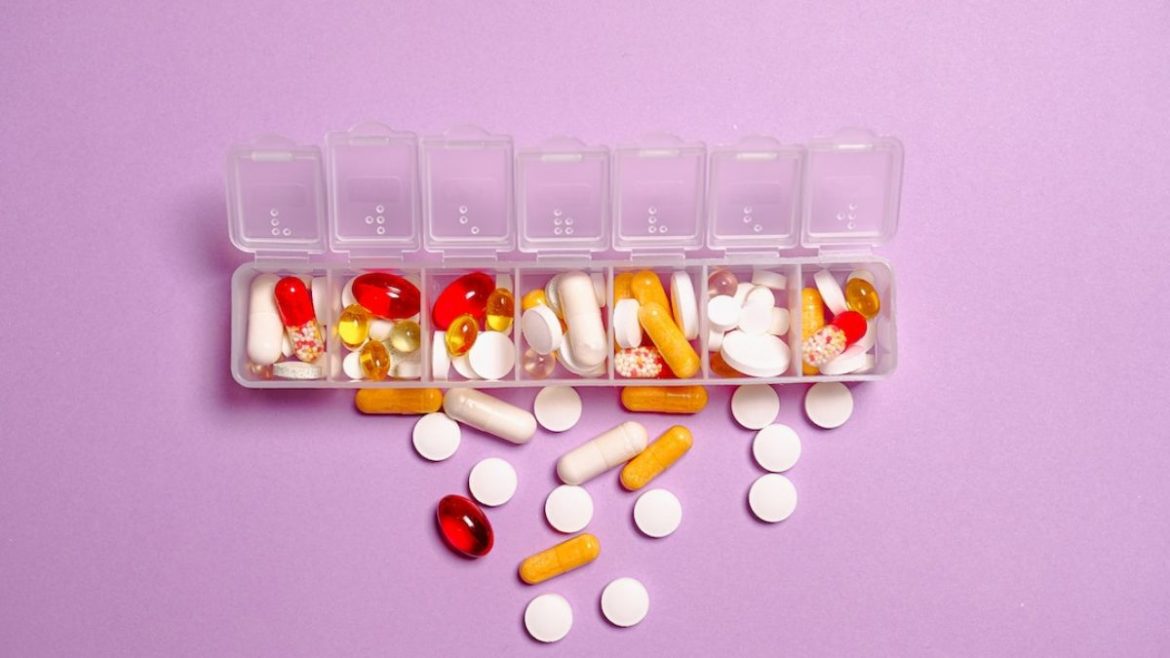
According to a worldwide study headed by Hamilton experts, a combined therapy of aspirin, statins, and at least two blood pressure medicines administered in set dosages can reduce the risk of fatal cardiovascular disease (CVD) by more than half.
The work was published in The Lancet and presented by Joseph at the European Society of Cardiology Congress at the same time.
The fixed-dose combination (FDC) therapies were examined both with and without aspirin versus control groups in a combined analysis of more than 18,000 patients without prior CVD from three large clinical trials. FDCs including aspirin cut the risk of heart attacks by 53 per cent, stroke by 51 per cent, and deaths from cardiovascular causes by 49 per cent.
The results were welcomed by international leaders in cardiovascular research.
Approximately 19 million people worldwide die of CVD and twice as many experience heart attacks or strokes every year.
About 80 per cent of cardiovascular events occur in individuals without a prior history of such illness, meaning effective preventative strategies including medications in people without CVD is essential, if the majority of heart attacks, strokes and related deaths in the world are to be prevented, the authors of the study state.
“This combination, either given separately or combined as a polypill, substantially reduces fatal and non-fatal CVD events,” said lead author Philip Joseph, associate professor of medicine at McMaster University, investigator at the Population Health Research Institute and cardiologist at Hamilton Health Sciences.
“The largest effects are seen with treatments that include blood pressure lowering agents, a statin and aspirin together, which can reduce fatal and non-fatal cardiovascular events by about half.
“The benefits are consistent at different blood pressure levels, cholesterol levels and with or without diabetes, but larger benefits may occur in older people.”
Joseph is the first author of the meta-analysis study by the Population Health Research Institute (PHRI) of McMaster University and Hamilton Health Sciences. Salim Yusuf, executive director of the PHRI and Distinguished University Professor at McMaster, is the senior author and the Principal Investigator.
DGCI has certified three FDCs comprising cefixime and cefadroxil as reasonable
The Drugs Controller General (India) has approved the three fixed dose combinations (FDCs) cefixime+cloxacillin, cefaxime+cloxacillin+lactobacillus, and cefadroxil+clavulanic acid as reasonable under specific situations.
FDCs of cefixime+cloxacillin and cefixime+cloxacillin+lactobacillus can be deemed reasonable if cloxacillin is given in a sustained-release form in twice-daily dosages and the FDC’s prescription is limited to skin and soft tissue infections.
Regarding cefadroxil+clavulanic acid, firms should prove the efficacy of the combination by conducting in-vitriol study in good laboratory practice for all the approved indications with respect to the infections caused by susceptible microorganisms including S. Aureus. The study should compare cefadroxil alone and in FDC. Accordingly the study protocol should be submitted for approval within three months of the notification.
For the FDC cefixime+cloxacillin, it has requested the SLAs to direct manufacturers to submit the protocol for conducting in-vitro study to prove the efficacy of this combination to the CDSCO for approval. For the other two FDCs, the SLAs were requested to direct all the manufacturers to manufacture and market these FDCs for the indication as directed by the CDSCO.
The decision was taken while reviewing the directions of the Nagpur Bench of Maharashtra High Court, related to the approval of these FDCs.
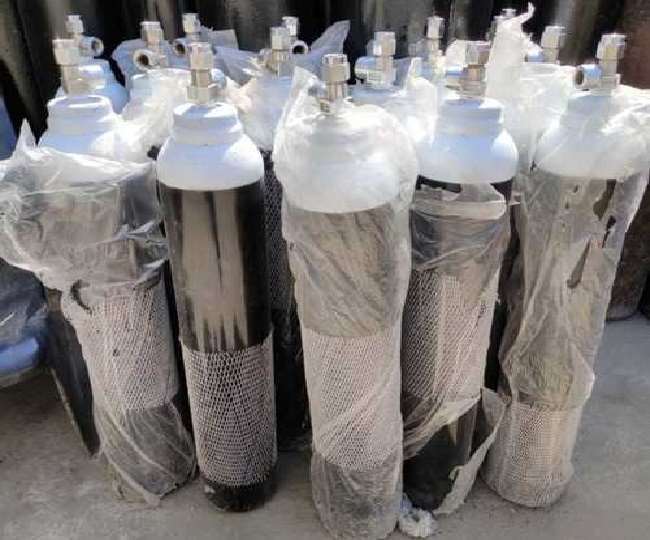
During the peak of the second Covid wave, 104 O2 cylinders went missing from the Sanjay Nagar district hospital
During the second wave of the pandemic, more than 100 oxygen cylinders destined for Covid-19 patients were allegedly taken from Sanjay Nagar District Combined Hospital (SNDCH). Based on the hospital’s allegation, police have arrested some unnamed individuals, and an investigation is continuing.
The hospital — an L2 category facility — dealt with patients having moderate Covid-19 symptoms and had used 60 oxygen cylinders per day between April 11 and May 11 this year.
“On June 8, 2021, our nursing staff said that 104 oxygen cylinders, including 82 D-type and 22 B-type, went missing from the hospital. We formed a committee of five officers immediately to probe the incident. It also came to light that an oxygen supply vendor had not returned 49 oxygen cylinders, and attendants of patients allegedly took away the remaining 55 cylinders amidst the mad rush in the hospital from mid of April… We have decided to uphold a payment of ₹3 lakh to the oxygen supply vendor,” said Dr Sanjay Teotia, chief medical superintendent, SNDCH.
“We have hospital marking on our oxygen cylinders and are numbered in an order. Following an FIR, an oxygen vendor returned 49 old and worn-out oxygen cylinders, without our marking. The remaining 55 cylinders are still missing, and we suspect that attendants of patients may have taken those away. Now, it is up to the police to recover the missing cylinders and take action against the suspects,” he added.
The hospital filed a police complaint on Thursday (August 26), and an FIR was lodged against unidentified persons under Indian Penal Code (IPC) Section 380 (theft) the same day at the Madhuban Bapudham police station. The hospital authorities have also written a letter to additional chief secretary (health), director general (medical health), divisional health officials and district officials on this matter.
“During the second Covid-19 wave, the hospital was equipped with CCTVs, and common people were also abstained from entering the premises. The oxygen cylinder stock and other equipment are the responsibility of the hospital. If they suspected that attendants of patients were stealing oxygen cylinders, they should have reported the incident immediately. The incident will be investigated thoroughly,” said a senior health department official, requesting anonymity.
Nipun Agarwal, superintendent of police (city 1), said, “We have lodged an FIR based on a complaint filed by the hospital authorities. We will investigate the case thoroughly.”
Meanwhile, the 100-bed hospital installed two new oxygen plants of 150 litres per minute (LPM) and 500 LPM, with centralised oxygen supply, in August.
Dr. Jyoti Kapoor, Senior Psychiatrist and Founder of Manasthali.
This is a digital age, we know it, we observe it, we follow it and eventually we get affected by it. But how it affects us or impacts depends upon how we use the digital tools. And unless we know all the implications, positive as well as negative of a certain process, we won’t be able to make the choice that differentiates between well-being and ill being.
So what is Digital wellness, keeping the myriad definitions aside, it’s simply about living with digital age while maintaining our physical, mental and social health.
Digital age or Information Age as it’s often called signifies availability of huge amounts of information to a large population through digital or information technology. Like any other tool available at our disposable, it’s not the technology itself but how it is used is what will define the impact. Unscrupulous use of technology has progressively created huge amounts of stress amongst us. The digital and social media is a nagging concern among children and adults due to its ability to spread misinformation and negative information at lightening speed which doesn’t give enough time to one to process information and reactions rather than rationalisation are now the major form of communication. The addictive potential of such platforms and neglect of personal and physical activities is now well known and a cause of health issues in current generation. The technology which should be used to serve our needs is increasingly deciding how we live our lives, spending more time on phone or Netflix, identifying with our ability to make a mark with followers on Instagram, achieving a certain level in a multiplayer online game, keeping up with latest technology, spending hours to close a deal in USA while family sleeps are all the ways we allow us to be led by technology than vice Versa.
How we achieve digital well being is primarily about finding a balance between different aspects of our life in an environment characterised by information over abundance.
Some simple steps can help us find our balance-
- Stop justifying the use of digital technology at every step, we can switch off phones, we can turn away from internet, we can stop watching news, it’s possible.
- Set priorities straight, what’s important, peace or competition, winning or living, enjoying simple things in life or posting pictures for all to know what we are doing.
- Curtail expectations, what is important for someone else may not be important for you and vice versa. Focus on what makes you comfortable or satisfied than indulging in comparisons generated by too much of what’s available out there and what needs to be explored.
- Focus on real world experience rather than virtual experiences. Engage with real people, real plants, real nature rather than technology driven photoshopped memories.
- Manage time, work is only a part of you and luxury is not bought with money but with experiences.
Is pandemic pressure driving automation in scientific and biomedical laboratories?
Article By: Mr. Aditya Saini, Founder & CEO, CNC PATHLAB
Covid-19 is an unexpected giant that has thrown the world into disarray with its malevolent nature. With so much distress and negativity around, the productivity of humans has hit the dirt with detrimental consequences. Among this chaos, treating people with health anomalies is a major challenge.
Scientific and biomedical laboratories are the ones that have been facing a reproducibility crisis from the functionality perspective. Due to this roadblock, there is a notable delay in bringing life-saving treatments and therapies to those who are in urgent need. Several studies have shown that medical error is another major challenge in this industry due to which patients are at high risk of contracting health anomalies. Now, persisting conditions like this is calling for lab automation. It not only enhances the productivity of health officials but addresses several challenges and improves the efficacy of their medical work.
Automation has changed how laboratories function in their clinical space. With the negative effects of pandemic, laboratories are performing a greater variety of tests with accuracy, with fewer staff and reduced cost. Everything around us is driven by technology. Whether it is academic or industrial, the advancement of automation is developing high-value biomedical products and services that are tackling the world with ease and assisting millions to have a healthy and peaceful life.
Pandemic has caused a serious turbulence in even the strongest economies of the world. With reduced work and business in the market, it is hard to control the rate of people getting sick with unknown variants secretly attacking humankind. That’s when healthcare officials find lab automation a one-stop destination which is eliminating the intervention of manpower to handle the specimen. Also, it is reducing the chances to Covid-19 being transmitted from one person to another with faster results. Laboratory information systems are being used to calculate the results and condition of patients. Laboratory automation is allowing LIS systems
for more sophisticated testing based on the results. With fast and accurate machines, it is easy to take treatment decisions and guide patients for more effective treatment.
With time, the biomedical and scientific fields are now blending computers, robotics and other smart technologies to minimize the errors and thus providing maximum results.
On the other hand, it has been very strenuous for researchers to perform complex manual tasks whilst trying to remember settings and parameters of every gadget and instrument. If you look at the PCR amplification of DNA, it is a highly time-consuming process that requires extended time. Manually carrying out thermal cycling steps in PCR was a sensitive task, which included frequent transfer of DNA samples. To simplify this process and reduce the human work, the scientists came up with ‘Thermal Cycler’ which performs all the functions by itself in minimum time.
With the higher possibilities of humans getting infected with the Covid-19 virus, lab automation is the safest and fastest way to keep the laboratories functioning whether it includes biomedical research or finding productive treatment methods to cure infected people. Since every industry in this world is moving to the virtual working space, the circumstances are such that automation is a revolutionary step in the field of healthcare functioning in present times. Lab automation is an ultimate tool for scientific and biomedical research. With the current fast-moving trends, scientists are looking for an integrated and flexible one-stop automated platform with high productivity and faster results.