


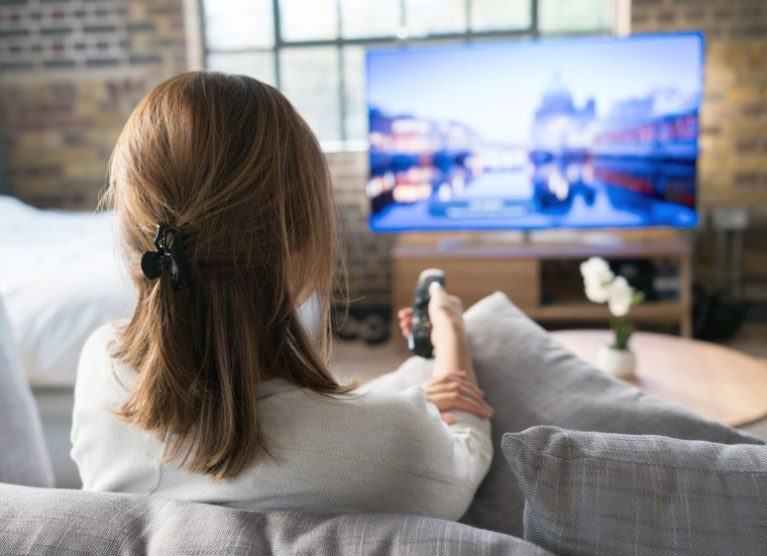
Binge-watching has become an inescapable part of modern entertainment culture. Despite the exhaustion creeping into our bodies and our eyes desperately calling for rest, the lure of just “one more episode” often wins. What starts as an innocent plan to unwind with a single episode quickly turns into an hours-long marathon, with sleep sacrificed at the altar of gripping narratives and cliffhangers.
From streaming platforms encouraging endless viewing to the psychological impact of continuous consumption, the binge-watching phenomenon is much more than just a form of entertainment. It is a behavioral pattern that mirrors addiction, rewires our brain’s reward system, and silently takes a toll on our mental and physical health.
The Psychology Behind Binge-Watching: Why Can’t We Stop?
Binge-watching is not just a habit; it’s a psychological trap set by a combination of external triggers and internal responses. The primary factors that drive us to keep watching include:
1. The Dopamine Rush
Our brain craves pleasure and rewards, and binge-watching delivers that in abundance. Every time we watch an engaging show, our brain releases dopamine—the feel-good neurotransmitter associated with pleasure and reward. This chemical boost makes us feel excited, invested, and emotionally engaged in the show’s storyline.
The more we watch, the more dopamine is released, creating a cycle of continuous craving for that next episode, similar to what happens in substance addiction.
2. The Cliffhanger Effect
Streaming platforms have perfected the art of keeping viewers hooked through cliffhangers—those suspenseful endings that leave crucial questions unanswered. This taps into our psychological need for closure, compelling us to start the next episode immediately to satisfy our curiosity.
The fear of missing out (FOMO) also plays a role, as we want to stay updated on the latest twists and turns, especially in a social media-driven world where spoilers are hard to avoid.
3. The Auto-Play Trap
Most streaming platforms use the “auto-play” feature, where the next episode starts automatically within seconds. This eliminates the conscious decision-making process, making it far too easy to passively slip into another episode rather than stopping to consider the consequences.
Before we know it, hours have passed, and our sleep schedule has been completely derailed.
4. Escapism and Stress Relief
For many, binge-watching serves as an escape from daily stressors, work pressures, or emotional struggles. When immersed in a fictional world, real-life worries take a backseat, providing temporary relief from anxiety, sadness, or loneliness.
However, while binge-watching may offer short-term comfort, excessive indulgence can backfire, leading to increased stress, guilt, and even depression in the long run.
The Dark Side of Binge-Watching: How It Affects Your Health
While watching multiple episodes in one sitting might seem harmless, research suggests otherwise. Here are some of the major ways binge-watching negatively impacts our health:
1. Sleep Deprivation and Insomnia
The most immediate consequence of binge-watching is sleep deprivation. Staying up late to finish just “one more episode” disrupts the body’s natural sleep cycle, leading to:
- Reduced sleep quality: Exposure to blue light from screens suppresses melatonin, the hormone that regulates sleep.
- Increased fatigue: Lack of sleep leads to sluggishness, reduced focus, and irritability the next day.
- Higher risk of sleep disorders: Chronic sleep deprivation is linked to insomnia, sleep apnea, and even long-term cognitive decline.
2. Eye Strain and Digital Fatigue
Spending hours staring at a screen can cause digital eye strain, characterized by:
- Dry and irritated eyes
- Blurred vision
- Headaches and dizziness
- Difficulty focusing on real-world tasks
The constant exposure to artificial light, coupled with reduced blinking while watching, exacerbates these problems.
3. Increased Risk of Obesity and Poor Physical Health
Binge-watching is a sedentary activity, meaning long hours spent watching shows contribute to physical inactivity. Studies have linked excessive screen time to:
- Weight gain and obesity due to decreased physical movement and mindless snacking.
- Heart disease and diabetes caused by prolonged sitting and poor dietary habits.
- Poor posture and back pain from hunching over screens for extended periods.
4. Negative Impact on Mental Health
Ironically, while binge-watching is often used as an escape from stress, it can ultimately worsen mental health. The habit is associated with:
- Increased anxiety and depression due to social withdrawal and feelings of guilt.
- Lower self-esteem from decreased productivity and regret over wasted time.
- Reduced motivation as binge-watching can create a cycle of procrastination and avoidance behavior.
Is Binge-Watching an Addiction? Experts Weigh In
Binge-watching shares several similarities with addictive behaviors. Experts suggest that while it may not be classified as a full-blown addiction, it does exhibit signs of compulsive consumption, such as:
- Loss of control: An inability to stop even when wanting to.
- Withdrawal symptoms: Feeling restless or irritable when unable to watch.
- Escalation: Needing more episodes to feel the same level of satisfaction.
- Neglect of responsibilities: Prioritizing watching over work, relationships, or health.
The key difference between binge-watching and substance addiction is that watching TV doesn’t involve chemical dependency. However, its psychological grip can be just as powerful.
Breaking Free: How to Control Your Binge-Watching Habits
If binge-watching is interfering with your health or daily life, it’s time to take control. Here are expert-backed strategies to manage your viewing habits:
1. Set Time Limits
Decide in advance how many episodes or minutes you will watch. Use a timer or an app to remind you when to stop.
2. Disable Auto-Play
Turning off the auto-play feature forces you to make a conscious decision about continuing instead of mindlessly consuming content.
3. Watch with Purpose
Instead of watching as a background activity, set specific times to watch your favorite shows and avoid watching out of boredom.
4. Avoid Watching Before Bed
Limit screen time at least one hour before bedtime to improve sleep quality. Instead, try reading or listening to calming music.
5. Engage in Other Activities
Find alternative hobbies like exercising, cooking, or socializing to reduce reliance on binge-watching for entertainment.
6. Take Breaks
Follow the 20-20-20 rule: Every 20 minutes, look away from the screen for 20 seconds at something 20 feet away to reduce eye strain.
7. Be Mindful of Triggers
Notice when you feel the urge to binge-watch. Is it stress? Loneliness? Understanding your triggers can help you address the root cause.
Binge-watching has become an undeniable part of modern digital culture, offering instant gratification and endless entertainment. However, it’s crucial to recognize its impact on our physical and mental health. While enjoying a show now and then is perfectly fine, excessive viewing can lead to long-term harm.
The key is balance—watch mindfully, take breaks, and ensure that entertainment does not come at the cost of well-being. The next time you’re tempted to hit “play” on another episode, pause and ask yourself: Is it really worth the lost sleep?
